

By Stellar Gel The Intersection of Cosmetic Chemistry and Professional Nail Technology
You pick up a bead of gel. You place it on the nail. It sits there for a second, then magically spreads out into a perfect, smooth dome.
To a client, it looks like talent (and it is!). But to a chemist, it is Rheology.
Rheology is the branch of physics that deals with the flow of matter. It explains why water splashes, why honey drips, and why toothpaste stays on the toothbrush until you squeeze it.
For a nail technician, understanding rheology is the difference between fighting your product and mastering it. If you have ever struggled with a gel running into the cuticle, or a builder that leaves lumpy brush marks, you weren't battling bad luck ~ you were battling physics.
In this deep dive, we are defining the three pillars of gel movement: Viscosity, Thixotropy, and Self-Leveling.
1. Viscosity: The Resistance
Viscosity is the most common word techs use, but it is often misunderstood. Put simply, Viscosity is the resistance to flow.
-
Low Viscosity: Flows fast (Water, Alcohol, Cuticle Oil).
-
High Viscosity: Flows slow (Molasses, Hard Gel, Polygel).
The Temperature Variable:
Viscosity is not a fixed number; it changes with heat.
-
Cold Salon: Your gel increases in viscosity (becomes thicker/stiffer).
-
Hot Salon: Your gel decreases in viscosity (becomes runny).
-
Body Heat: As soon as the gel touches the client’s warm fingernail (98.6°F), its viscosity drops. This is why a bead that looked stable on the brush suddenly runs into the sidewall once applied.
-
Stellar Tip: If you are struggling with control, check your room temp. The ideal zone for Stellar Gel application is 70°F–74°F.
2. Thixotropy: The "Magic" Movement
This is the secret sauce. High-end structure gels (like Stellar Gel) are often Non-Newtonian Fluids. Specifically, they are Thixotropic.
Definition: A thixotropic fluid is solid(ish) when sitting still, but becomes liquid when agitated (sheared).
Think of Ketchup.
When you turn the bottle upside down, nothing comes out. It acts like a solid. But if you hit the bottle (add force/shear), the ketchup suddenly turns liquid and flows.
How this applies to nails:
-
On the Brush (Static): The gel holds its shape. It doesn't drip instantly.
-
Brushing (Shear Stress): As you manipulate the gel with your brush, the friction thins the viscosity. It flows exactly where you push it.
-
Stopping (Recovery): The moment you lift your brush, the gel "recovers" its structure and stops running.
Why Stellar Gel is Thixotropic:
We formulate our Made in USA (3-Free) line with specific oligomers that create this effect. It allows you to build a high apex without the product flooding the cuticle the moment you look away. It stays where you put it, until you tell it to move.

3. Self-Leveling: Surface Tension in Action
We all love a "self-leveling" product. But how does it know how to smooth itself out?
It comes down to Surface Tension.
Liquid molecules want to stick together. They want to expose the smallest possible surface area to the air. The shape with the smallest surface area is a sphere (or a smooth dome).
When you apply a lumpy bead of gel:
-
Gravity pulls it down.
-
Surface Tension pulls the "peaks" of the lumps down and fills the "valleys" in to create a smooth, continuous surface.
The "Over-Working" Mistake:
Many techs struggle with smoothness because they over-work the product. If you keep dabbing and dragging your brush, you are constantly interrupting the surface tension.
-
The Fix: Apply the bead. Guide it into place. Then STOP.
-
Let physics do the work. Give the gel 3–5 seconds to "relax" and self-level before you cure.
Putting It Together: The Stellar Application Technique
Now that you understand the physics, here is how to use it with our products.
For the Global Line (Standard Viscosity):
This formula has lower thixotropy and higher flow.
-
Technique: "Float and Flash." Apply quickly, let gravity smooth it, (flip if needed) and flash cure immediately. Do not over-manipulate.
For the Made in USA Line (High Thixotropy):
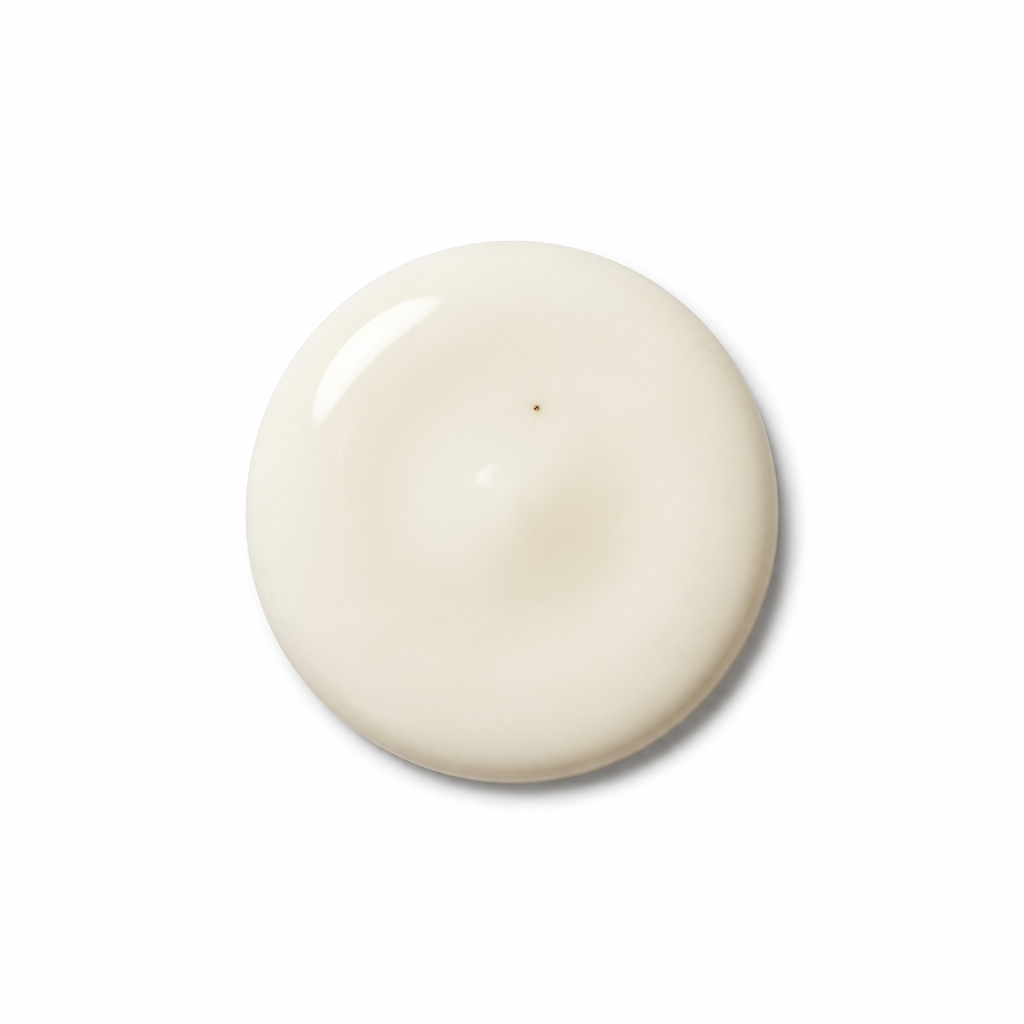
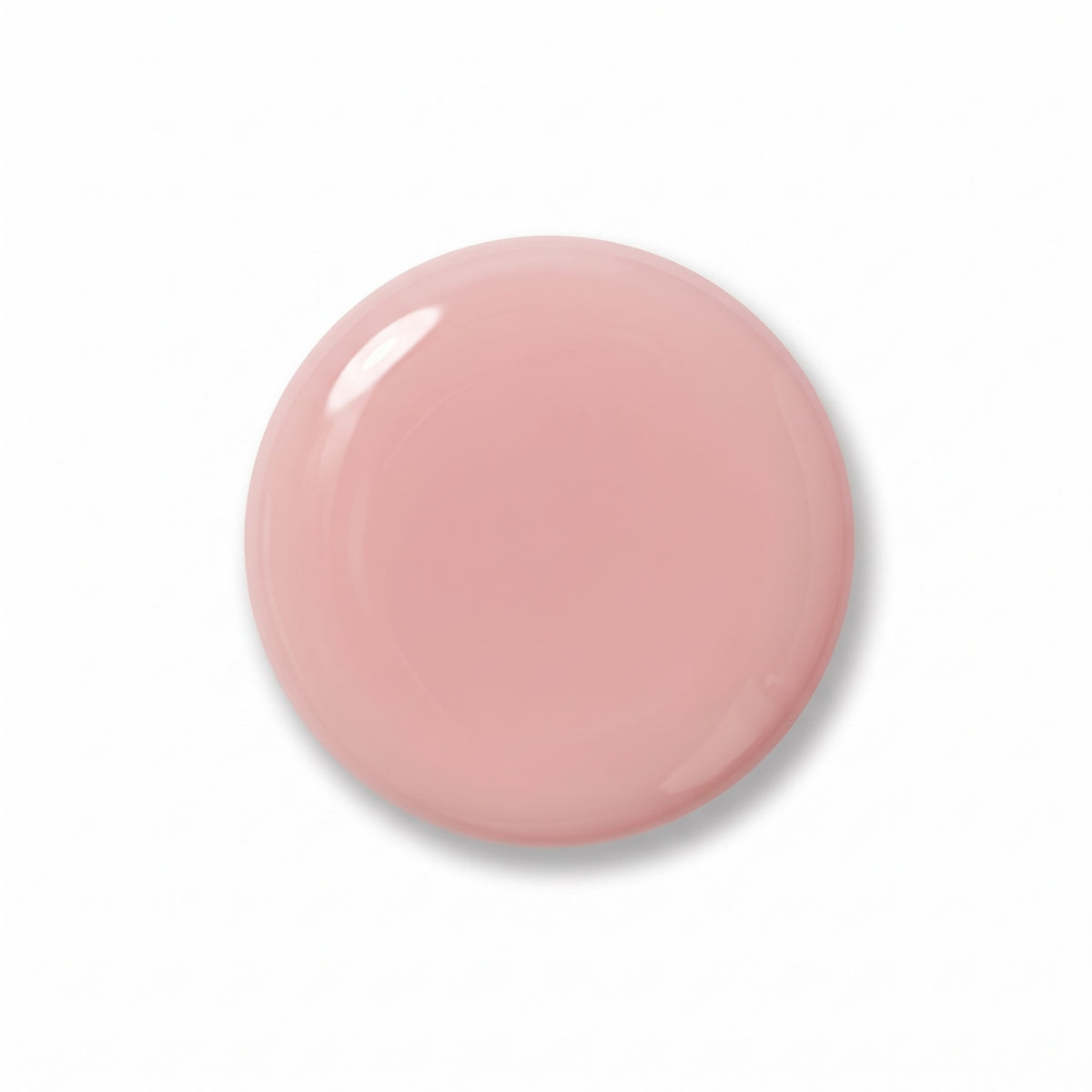
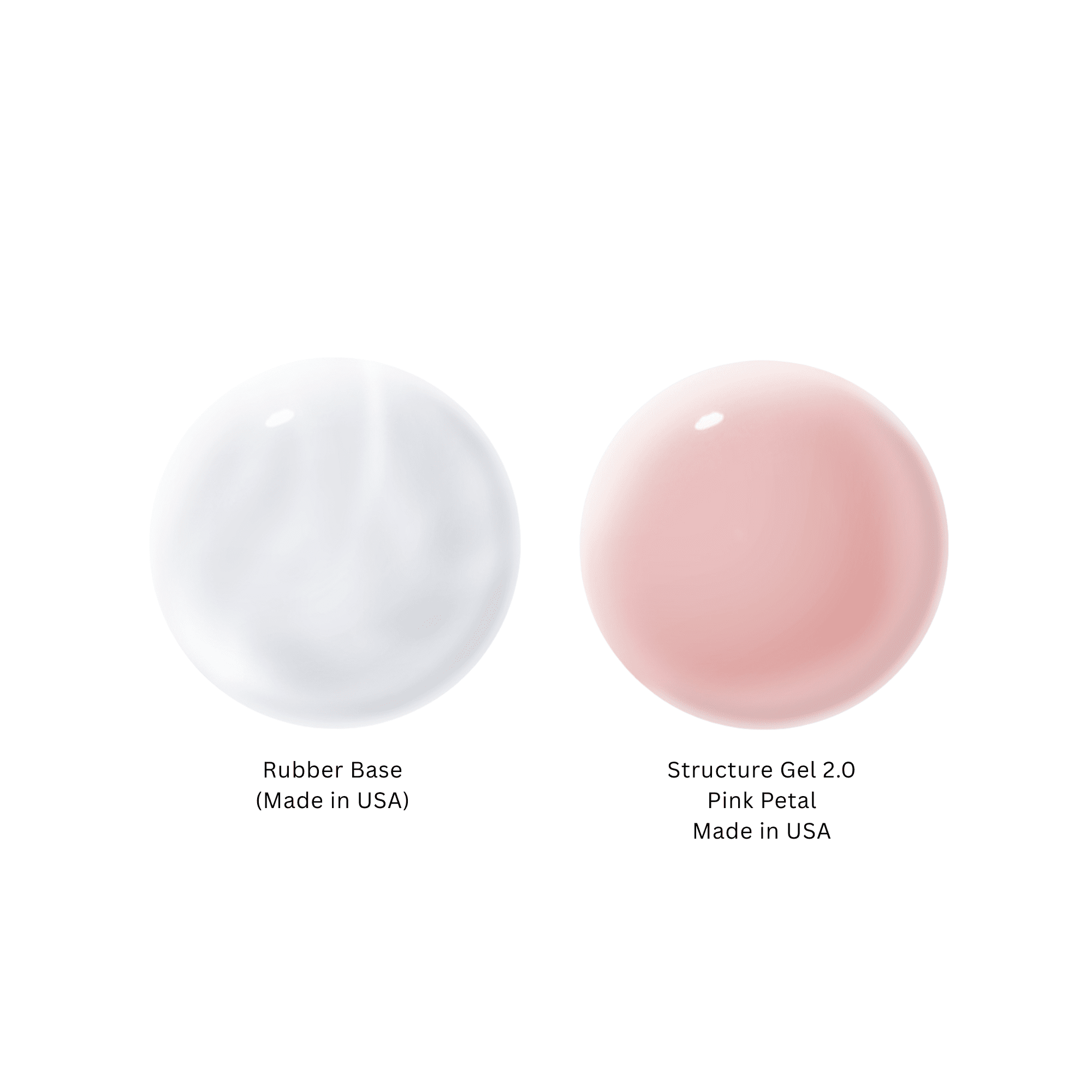
This formula (3-Free) is creamier.
Technique: "Massage and Mold." You can take your time. Use the brush to push the gel into place (lowering viscosity via shear). When you are happy with the structure, lift the brush. The gel will "freeze" in that shape (recover viscosity) with just enough self-leveling to smooth the brush marks.

Conclusion: You Are a Physicist
You might think you are just painting nails, but you are actually manipulating complex fluid dynamics.
By understanding Thixotropy (flow via movement) and Viscosity (resistance to flow), you can stop fighting your gel and start directing it.
Experience the Physics:
Try the difference yourself. Compare the flow of our Global Line vs. our Thixotropic Made in USA Collection.