

By Stellar Gel The Intersection of Cosmetic Chemistry and Professional Nail Technology
You are a savvy client (or tech). You know you want to avoid HEMA because of the allergy risks. You pick up a bottle labeled "Hypoallergenic" or "HEMA-Free," turn it over to read the ingredients, and your heart sinks.
The first ingredient is: Di-HEMA Trimethylhexyl Dicarbamate.
You see the word "HEMA" buried inside that long name, and you panic. Is this a trick? Is it just HEMA in disguise?
Relax.
While the names are similar, the molecules are completely different. Confusing HEMA with Di-HEMA is like confusing "Chlorine" (a toxic gas) with "Sodium Chloride" (Table Salt). One kills you; the other makes your fries taste good. Chemistry is all about how atoms are connected.
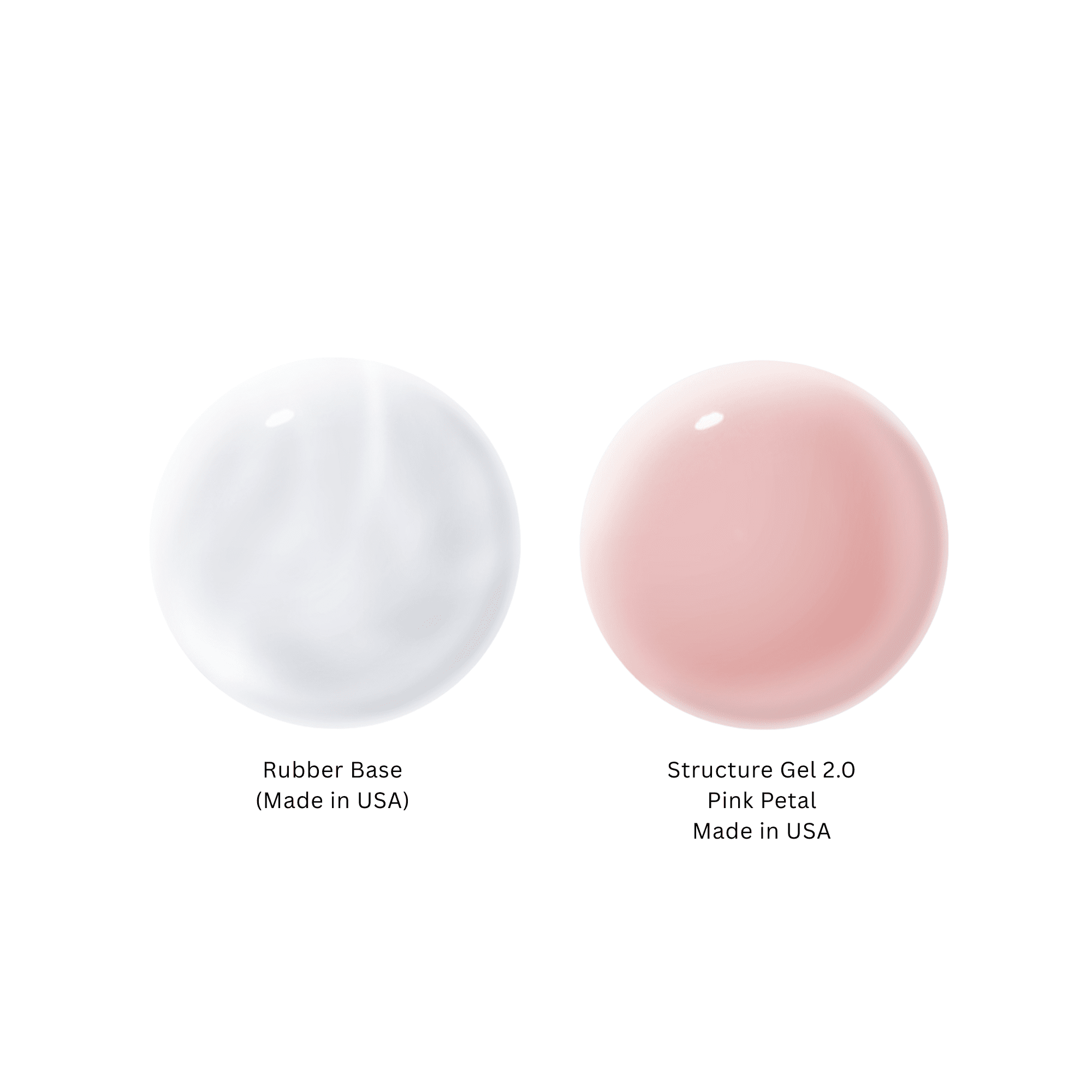
At Stellar Gel, we use Di-HEMA in many of our advanced formulations (including our Made in USA line) because it offers the best of both worlds: performance and safety. Here is the science behind why HEMA's "Big Cousin" is a safer bet for your nails.
The Molecular Difference: It’s All About Size
As we’ve discussed in our [Alphabet Soup of Gel Chemistry] post, the #1 factor in allergies is Molecular Size.
1. HEMA (The Tiny Intruder)
-
Full Name: 2-Hydroxyethyl Methacrylate.
-
Weight: ~130 Daltons.
-
The Danger: Because it is tiny, it can slip through the microscopic gaps in your skin barrier like water through a sieve. Once inside the skin, it finds immune cells and triggers an allergic reaction.
-
Status: The leading cause of nail allergies worldwide.
2. Di-HEMA (The Large Molecule)
-
Full Name: Di-HEMA Trimethylhexyl Dicarbamate.
-
Weight: ~470 Daltons.
-
The Structure: Imagine taking two HEMA molecules and handcuffing them to a giant, heavy "spacer" molecule in the middle.
-
The Safety: Because it is huge (nearly 4x the size of HEMA), it is chemically clumsy. It cannot easily penetrate the skin barrier. It sits on top of the skin, giving you time to wipe it off before it causes trouble.
The Analogy:
Think of your skin barrier as a chain-link fence.
-
HEMA is a handful of marbles. Throw them at the fence, and they fly right through.
Di-HEMA is two marbles tied to a basketball. Throw it at the fence, and it bounces off.

Why Use Di-HEMA at All?
If HEMA is risky, why do chemists use a derivative of it? Why not use something totally different?
Because HEMA ~ strictly from a performance standpoint ~ is a miracle ingredient. It creates incredible adhesion and cures to a brilliant, hard shine.
By using Di-HEMA, chemists can keep the "sticky" parts of the HEMA molecule (the parts that bond to the nail) while neutralizing the "risky" parts (the ability to penetrate skin).
The Benefits of Di-HEMA in Stellar Gel:
-
Low Heat: Large molecules react slower than small ones. This means Di-HEMA gels generate significantly less heat (exothermic reaction) than pure HEMA gels. No more "rings of fire."
-
Flexibility: The large "spacer" molecule in the middle of Di-HEMA adds flexibility. This prevents the gel from being too brittle, so it moves with the natural nail instead of cracking.
-
Safety: It drastically lowers the sensitization risk while still providing professional-grade wear.
Is Di-HEMA "Allergy-Proof"?
No chemical on earth is 100% allergy-proof. (People can be allergic to water, sun, and gold).
However, Di-HEMA is classified as a Low-Risk Sensitizer.
-
If you have never had an allergic reaction, using Di-HEMA is an excellent way to prevent one from starting.
-
If you have a mild HEMA allergy, many people find they can tolerate Di-HEMA without issues (because it doesn't penetrate).
-
Warning: If you have a severe HEMA allergy (where even being in the room makes you itch), you might cross-react to Di-HEMA. In that case, you should perform a patch test on one nail before committing to a full set.
Label Reading 101: What to Look For
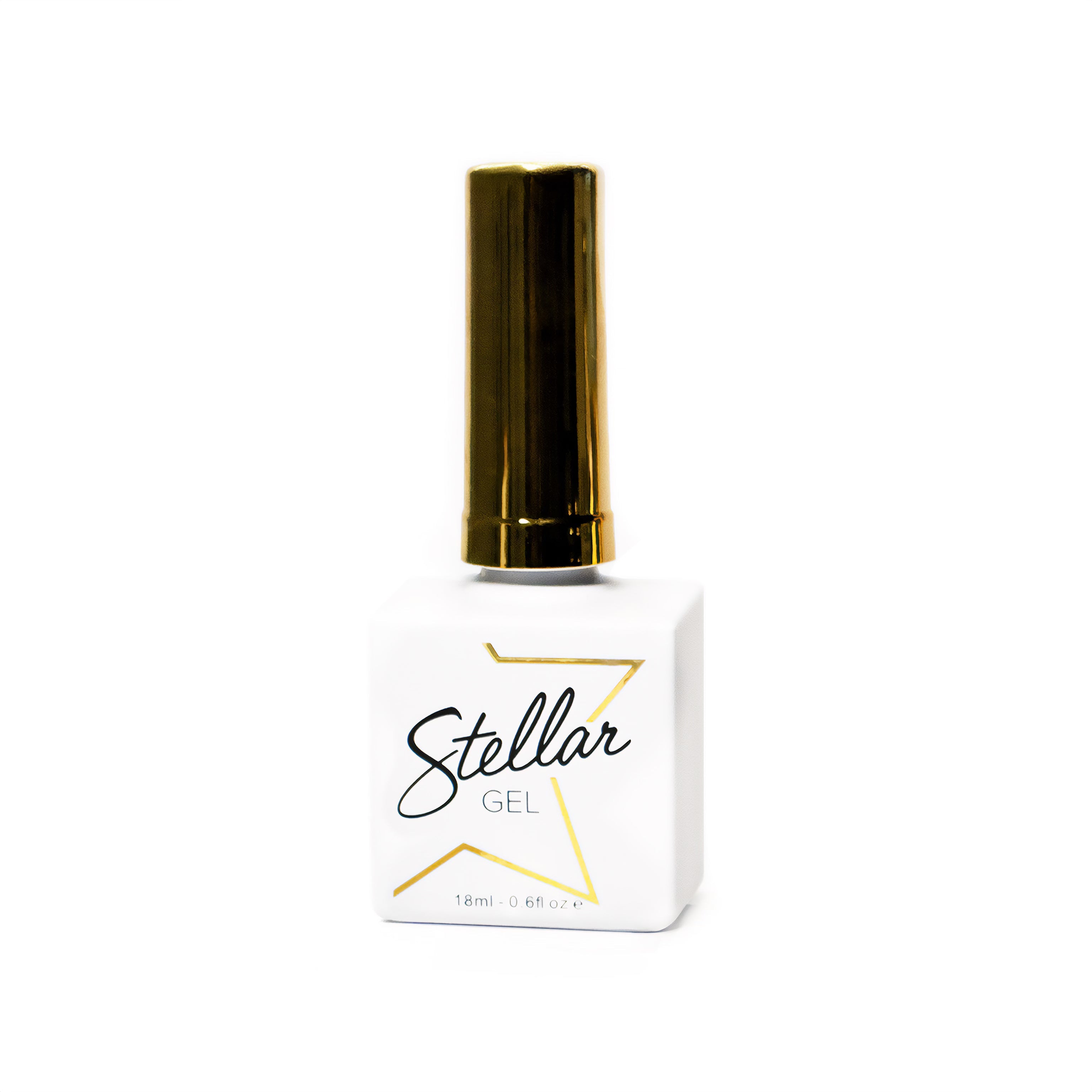
Don't let the long chemical names scare you. Here is your cheat sheet for reading the back of a Stellar Gel bottle.
-
BAD but not an enemy: "HEMA" or "2-Hydroxyethyl Methacrylate" listed near the top. (Avoid if sensitive).
-
GOOD and better choice: "Di-HEMA Trimethylhexyl Dicarbamate" or "Bis-HEMA..." (These are the safe, large molecules).
-
THE STELLAR STANDARD: Our Made in USA line is formulated to be 3-Free. This means we remove the "Bad HEMA" (Monomer) but utilize advanced "Safe HEMAs" (Oligomers) like Di-HEMA and Bis-HEMA to give you the best retention with the highest safety profile.
Conclusion: Don't Judge a Molecule by Its Name
Chemistry is nuanced. Just because two ingredients share a last name doesn't mean they behave the same way.
Di-HEMA is the responsible, mature cousin of the volatile HEMA monomer. It is the backbone of modern, safe nail technology.
Make the Safe Choice:
Explore our Made in USA Collection, where we harness the power of Di-HEMA to give you 4-week retention without the itch.

Disclaimer: This article is for educational purposes. If you have a known acrylate allergy, always consult your dermatologist before trying new products, even those labeled HEMA-Free.