

By Sarah Thompson — Licensed nail technician and founder of Stellar Gel
It starts innocently.
About 12 hours after your manicure, you feel a little tickle around your cuticles. You rub your fingers together. It feels like a mosquito bite, but deep under the skin. You ignore it. By the next morning, it’s gone.
Two weeks later, you get your fill. This time, the itch is back, but it’s stronger. The skin around your nails feels tight and hot. Maybe you see a tiny little bump on the side of your finger. You put some lotion on it and think, "My skin must be really dry."
Stop.
These are not signs of dry skin. These are the alarm bells of your immune system.
This is the "Itch Factor" ~ the very first stage of Acrylate Sensitization. If you ignore these early whispers, they will turn into a scream that can end your relationship with gel nails forever.
At Stellar Gel, we are committed to keeping you in the game. To do that, we have to talk about what sensitization actually looks like before it becomes a full-blown disaster.
What is Sensitization? (The "Bucket" Theory)
You aren't born allergic to gel polish. You become allergic.
Think of your immune system like an empty bucket. Every time uncured gel touches your skin ~ even a microscopic amount ~ a drop goes into the bucket.
-
For some people, the bucket is huge. They can be sloppy for years and never react.
-
For others, the bucket is a shot glass. It only takes a few exposures to overflow.
Once that bucket overflows, your immune system tags the ingredient (usually HEMA) as a "threat." From that moment on, every time that chemical touches you, your body launches a war. That war is Allergic Contact Dermatitis.
The Catch: Once the bucket overflows, you cannot empty it. The allergy is for life.
The 3 Early Warning Signs (The "Itch" Progression)
Most people think an allergy looks like gross, weeping blisters. That is the end stage. You need to catch it at the beginning stage.
1. The "Phantom Itch"
This is the most common early sign.
-
Symptom: Intense itching around the eponychium (cuticle), underneath the free edge, or even on the pad of the fingertip.
-
Timing: It usually starts 4–24 hours after the service and disappears after a day or two.
-
Why: The uncured monomers have penetrated the skin, and the immune cells are gathering to attack.
2. The "Tapioca" Bumps (Dyshidrosis)
-
Symptom: Tiny, clear, fluid-filled bubbles that look like tapioca pearls. They often appear on the sides of the fingers or palms, not just near the nail.
-
Why: This is Dyshidrotic Eczema, a classic systemic reaction to acrylates.
-
Danger Zone: Do NOT pop these blisters. The fluid inside contains the allergen and histamine; spreading it spreads the reaction.
3. The Thickening (Hyperkeratosis)
-
Symptom: The skin under the free edge (hyponychium) becomes hard, thick, and calloused. It might feel numb or "leathery."
Why: The body is trying to build a wall. It is thickening the skin to stop the chemical from penetrating deeper. If you see this, your body is screaming at you to stop.

Why Is This Happening Now?
You might be thinking, "But I've been using this same brand for years! Why am I reacting now?"
Remember the bucket. You were filling it up for years. The exposure accumulates.
-
Sloppy Application: Flooding the cuticle.
-
Touching the Sticky Layer: Wiping the inhibition layer and then touching your face or arm.
-
Under-Curing: Using a weak lamp that leaves the gel 80% cured. The remaining 20% is liquid monomer that seeps into the nail bed.
-
Dust: Filing off old product creates dust. That dust contains uncured chemicals. If it lands on your sweaty skin, it dissolves and penetrates.
The "Itch" Protocol: What to Do Immediately
If you or your client feels the "Itch," you have a very short window to fix it.
1. Do NOT "Power Through"
If you ignore the itch and apply the same product again, the next reaction will be worse. It can escalate from itching to nail plate separation (Onycholysis) or permanent nail loss.
2. Switch Chemistry Immediately
You need to change the allergen profile.
-
Stop using HEMA: HEMA is the smallest molecule and the #1 driver of the itch.
-
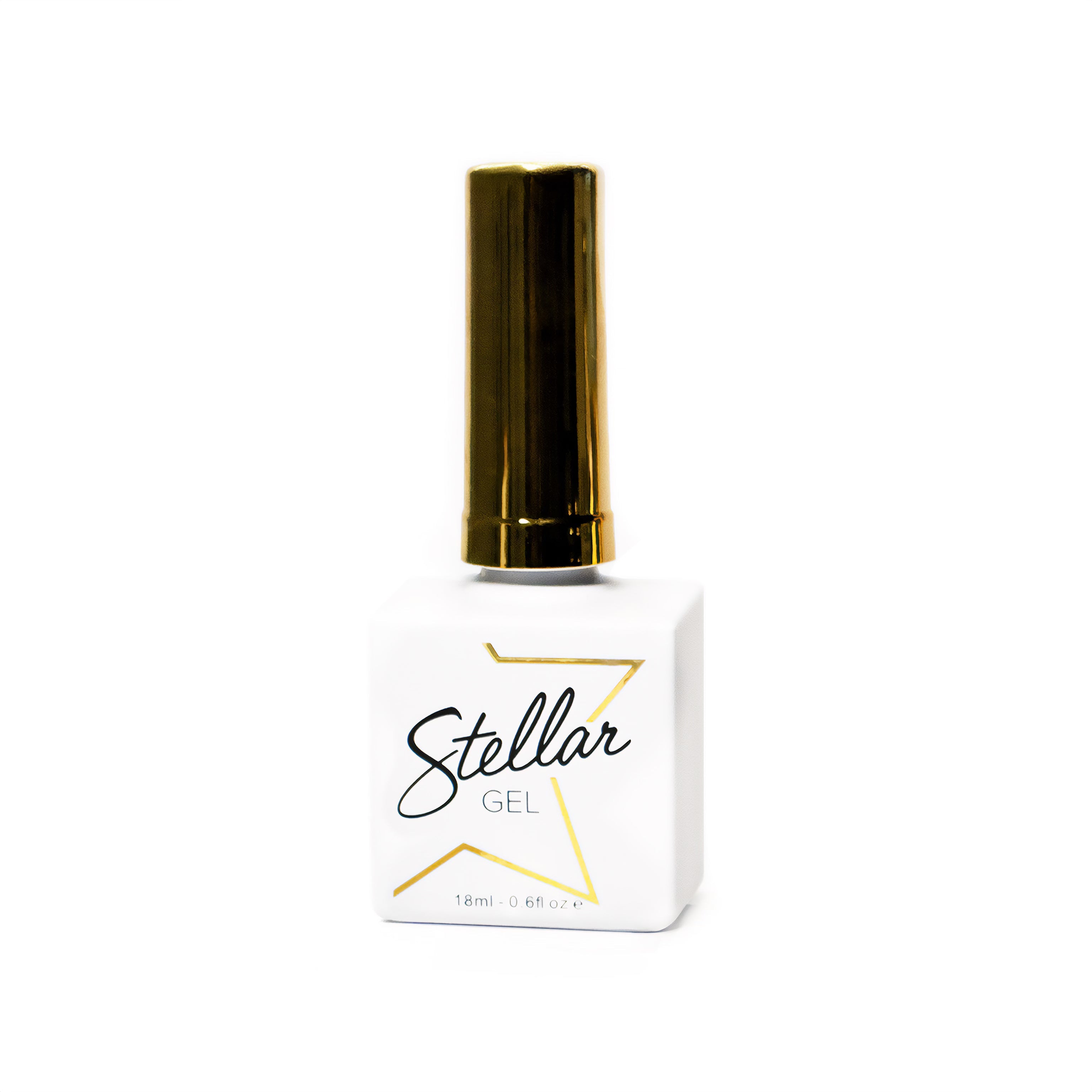
Switch to Stellar Gel 3-Free: Our 3-Free line is HEMA, TPO, and HPMA free. It uses large-molecule oligomers that are too big to penetrate the skin barrier easily. This gives your immune system a break.
3. The "Zero Tolerance" Application
When you switch products, you must also switch your technique.
-
No Skin Contact: Leave a clear margin around the cuticle. Using a detail brush or a liner brush will help you get close to the cuticle without touching the skin.
-
Cure Check Your Lamp: Ensure your lamp is fully powered to cure the gel 100%. You can test this by curing products on a clear swatch tip at 60 seconds.
-
Wear Gloves: (For Techs) Stop touching the client's skin with your bare hands. Nitrile gloves are mandatory.
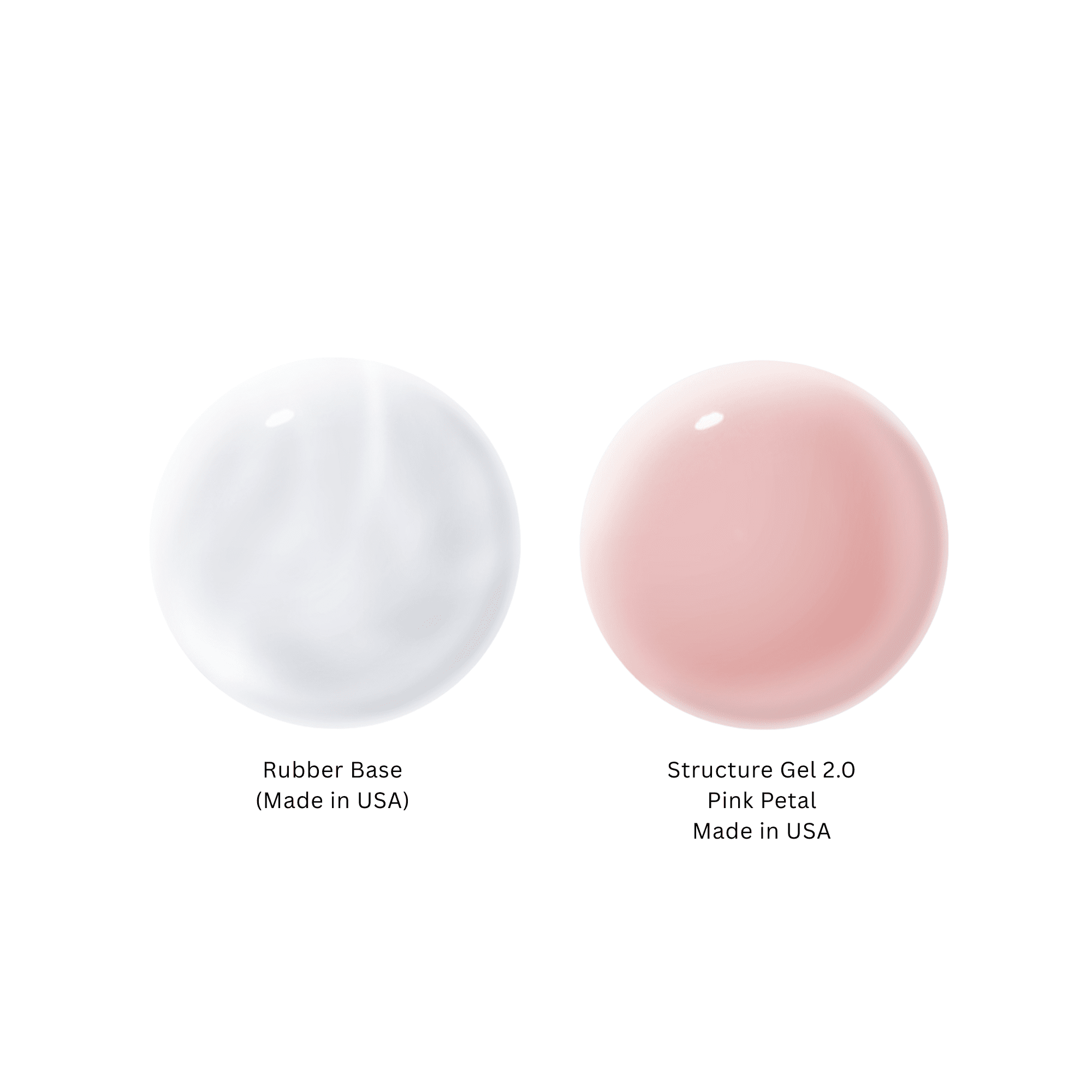
Switching today? Most techs start with Rubber Base 3-Free and Structure Gel 2.0 Clear 3-Free — base and builder are where skin contact happens most.
Conclusion: Save Your Nails, Switch Your Bottle
The "Itch" is a gift. It is your body giving you one last chance to change your habits before the allergy becomes permanent.
Don't wait for the blisters. If your fingers tickle after a manicure, it's time to upgrade your chemistry.
The Safe Switch:
Browse the full Stellar Gel HEMA-Free Collection — 137 HEMA-free, TPO-free and HPMA-free products. Formulated without the triggers, designed for the sensitive.
Related reading: Onycholysis vs. Allergy: How to Spot the Difference and The Inhibition Layer: What Is It and Why Is It Allergenic?
Disclaimer: This article is for educational purposes. If you are experiencing severe swelling, breathing difficulties, or spreading rashes, seek emergency medical attention immediately.