

By Stellar Gel The Intersection of Cosmetic Chemistry and Professional Nail Technology
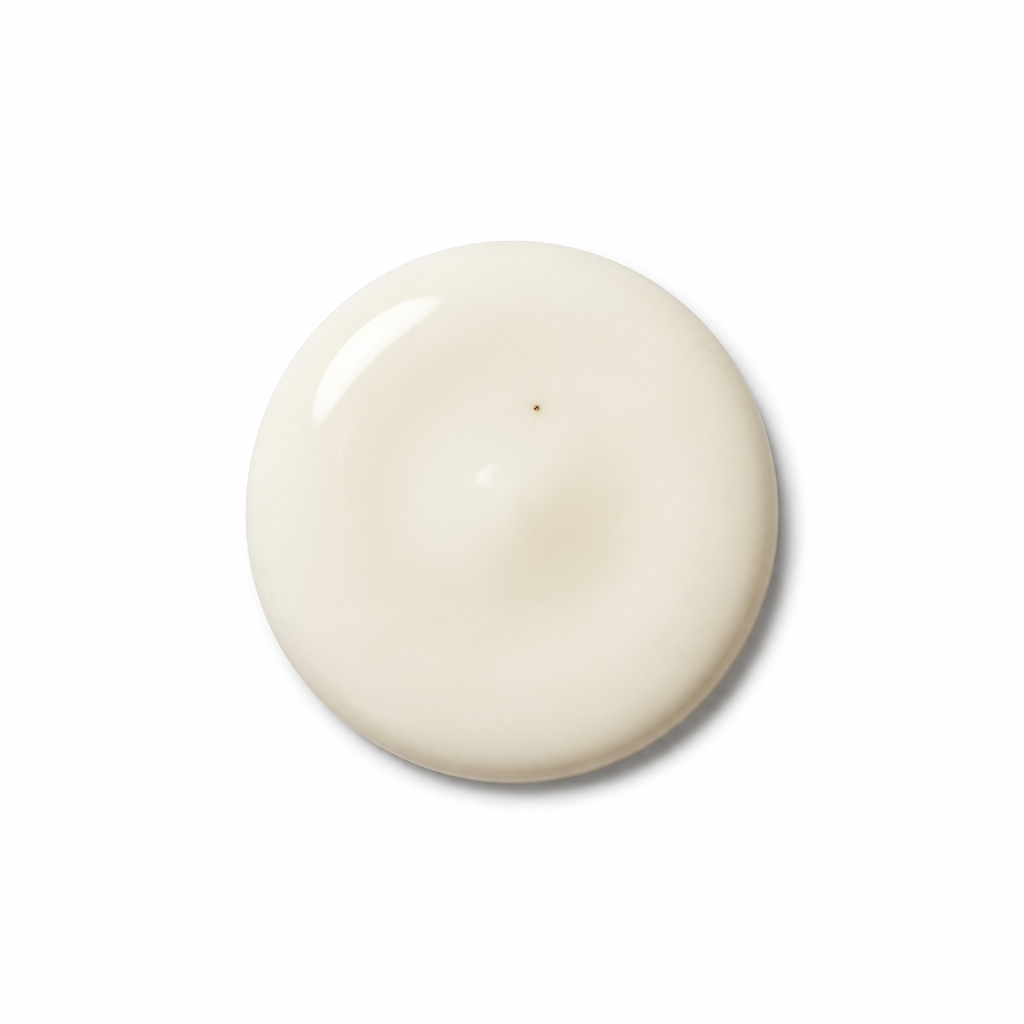
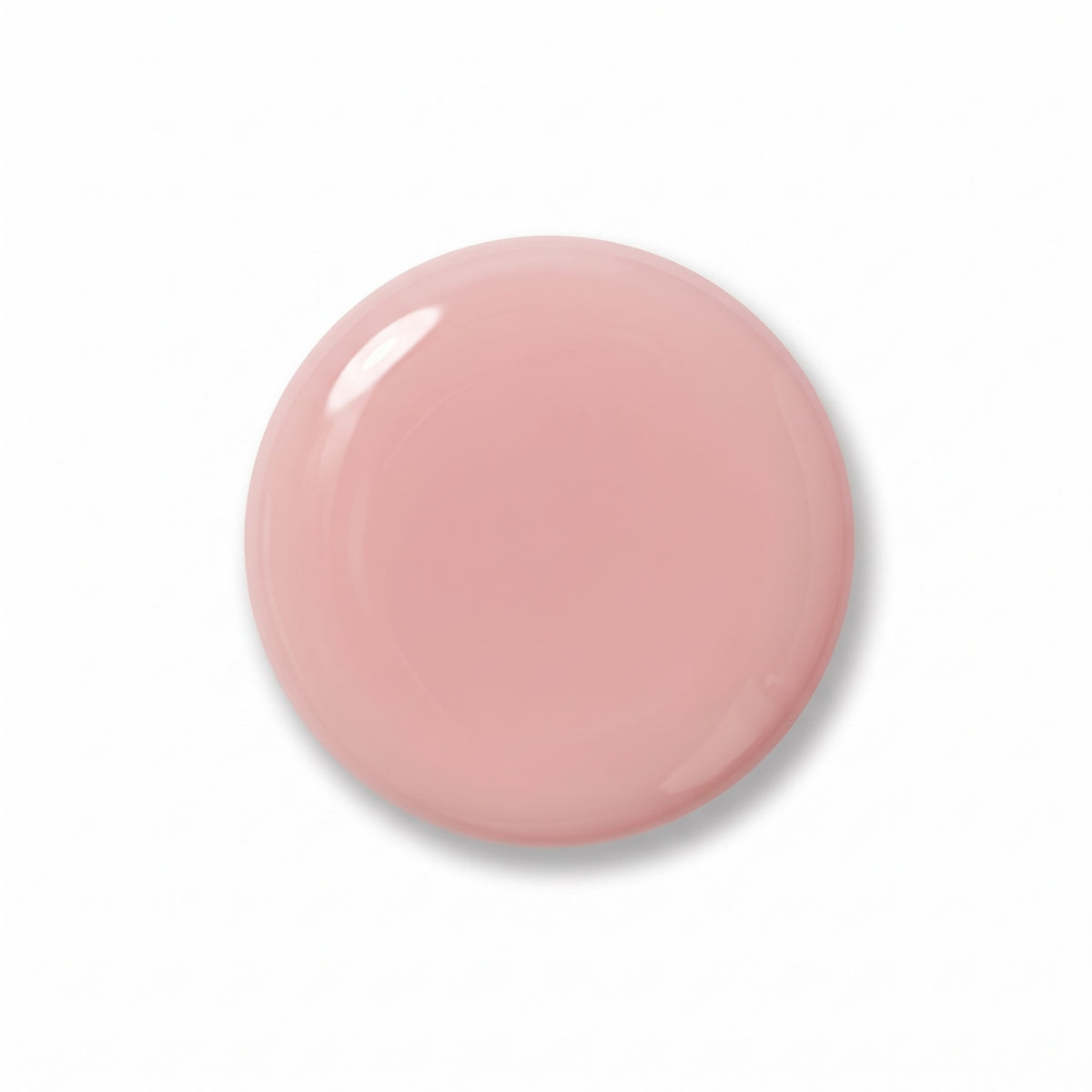
You watch videos of top nail techs, and it looks like magic. They drop a bead of gel on the nail, and it just... spreads. It flows perfectly into a smooth dome without them barely touching it.
When you try it, the gel stays where you put it. You have to drag it, push it, and pat it. By the time you're done, the surface looks like a lumpy road.
What is the secret? It isn't a better brush. It's the Slip Layer.
The Slip Layer (or "Wet Layer") technique uses the physics of surface tension to guide the product exactly where you want it. It transforms a fight against gravity into a smooth glide. Today, we are breaking down the mechanics of this essential skill.
The Physics: The Path of Least Resistance
Builder gel is viscous. It creates friction against a dry surface (like a cured base coat or a buffed nail). It doesn't want to move.
But gel loves gel.
When you apply a thin, wet layer of uncured gel first, you change the surface tension.
-
Dry Surface: High friction. The bead gets stuck.
-
Wet Surface: Low friction. The bead glides.
Think of a water slide. If the slide is dry, you get stuck halfway down. If the slide is wet, you fly. The Slip Layer is the water on the slide.
The "Invisible Fence" Concept
The most brilliant part of the Slip Layer is that it acts as a containment field.
The Rule: The bead of gel will flow only where the wet Slip Layer is. It will stop exactly where the Slip Layer stops.
-
If you paint your Slip Layer perfectly ~ getting close to the cuticle but not touching it ~ you have created a safe zone.
-
You can drop a bead of gel onto the nail, and it will self-level right up to that line... and stop. It won't flood the cuticle because the dry nail beyond the line acts as a barrier.

Step-by-Step: The Stellar Application
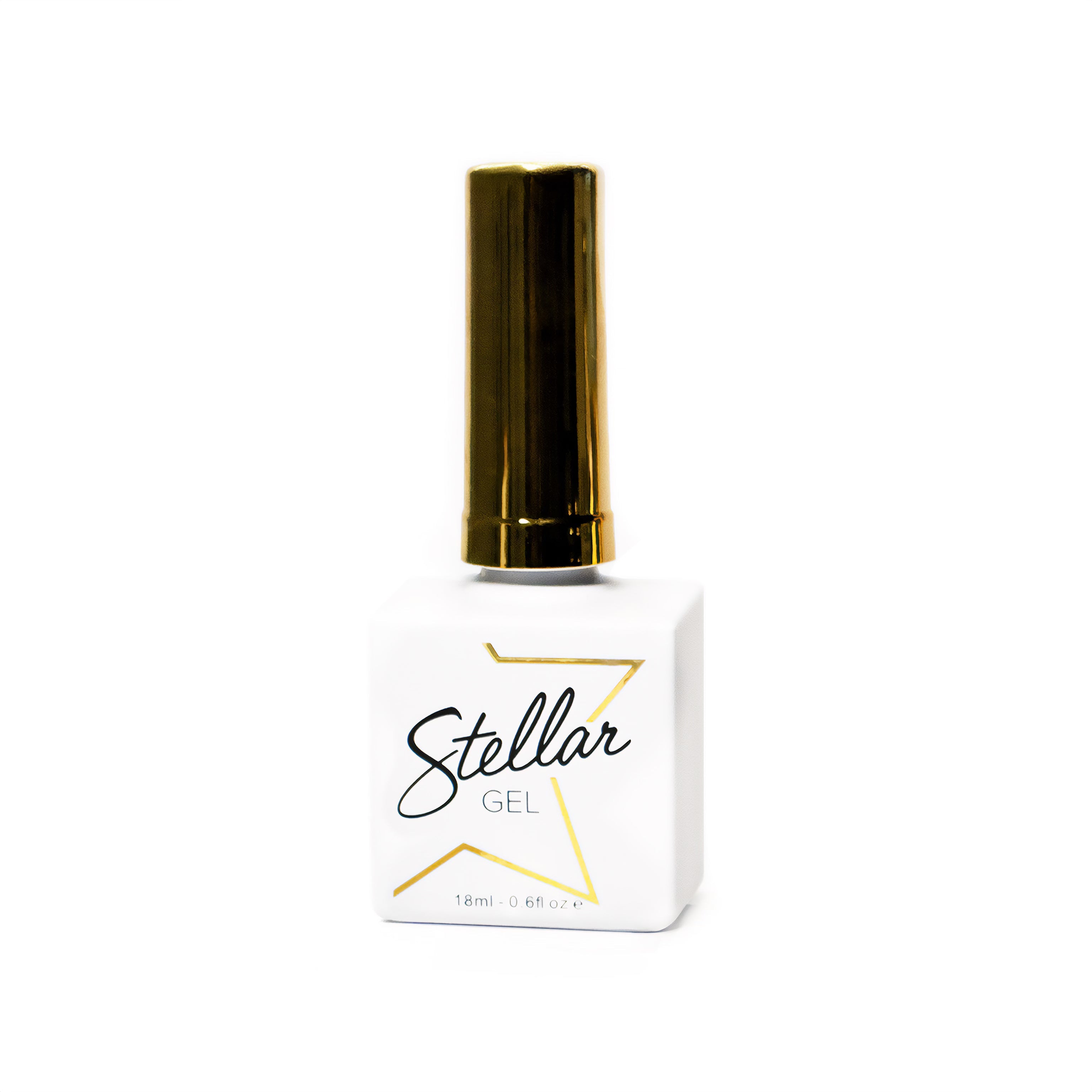
Here is how to execute this technique using Stellar Structure Gel.
1. Prep & Base:
Perform your prep and apply your cured Base Coat (or bond) as usual. The surface should be sticky or dry, but cured.
2. The Slip Layer (Do Not Cure):
Pick up a tiny amount of Structure Gel. Paint the entire nail just like you would a regular polish colour.
-
Crucial: Get close to the cuticle and sidewalls, but leave a hair-thin margin. If you touch the skin with this layer, the bulk layer will flood the skin later.
-
DO NOT CURE. Leave this layer wet.
3. The Bead:
Pick up a dollop of gel. Place it near the cuticle area (in the wet layer).
4. The Float:
Use the tip of your brush to gently guide the bead. You don't need to drag it hard. Just nudge it. Use your detail or liner brush to get in tight to the cuticle and sidewall areas.
-
Watch the gel flow. It will naturally spread out to merge with the wet Slip Layer underneath.
5. The Flip:
Turn the hand over to let gravity pull the bulk into a perfect apex.
6. The Cure:
Check your light line. If it's straight, cure immediately. If it’s not straight, give it a couple seconds to self level.
Troubleshooting: Why Is It Messy?
If the Slip Layer technique is making a mess, check these variables:
1. The Slip Layer is Too Thick
If your initial wet layer is too thick, it adds too much bulk. When you add the bead on top, the whole thing overflows.
-
Fix: The Slip Layer should be "scrubbed in" or painted paper-thin.
2. You Waited Too Long
Even with a "boundary," if you let a massive amount of gel sit for too long, gravity will eventually pull it over the edge.
-
Fix: Work one or two fingers at a time. Paint, bead, flip, flash cure.
3. The Gel is Too Runny
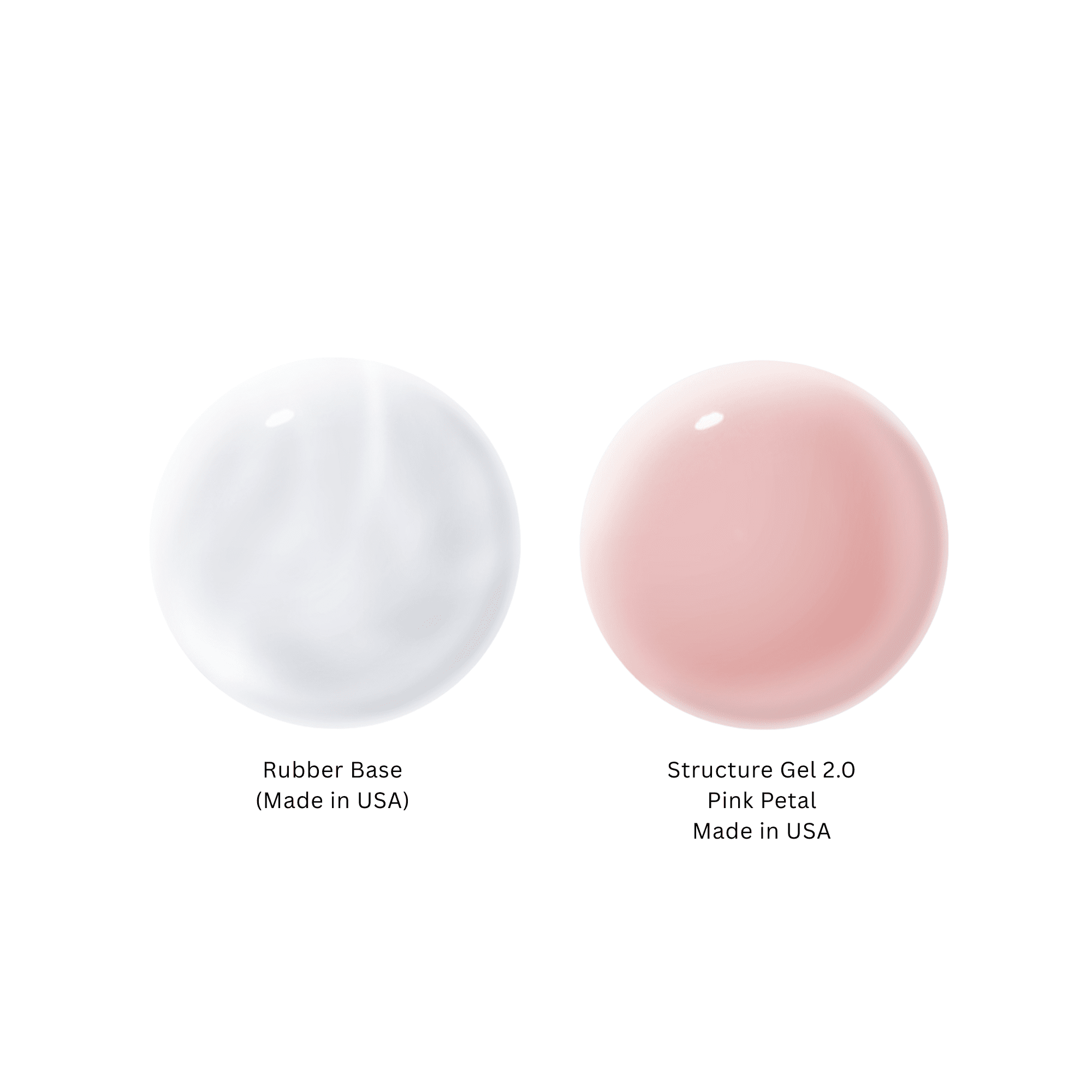
This technique works best with a medium-to-high viscosity gel (like our Made in USA line). If you use a thin viscosity gel, the Slip Layer moves too fast.

Conclusion: Work Smarter, Not Harder
The Slip Layer isn't just a technique; it is a workflow upgrade. It reduces filing time because the application comes out smoother. It reduces flooding because the boundaries are set.
Stop fighting friction. Lubricate the path.
Get the Glide:
This technique pairs perfectly with the thixotropic flow of our Made in USA Structure Gel.
Disclaimer: This article is for educational purposes. Always ensure you do not touch the skin with the initial slip layer, as this is the primary cause of flooding.
Comments
THANK YOU for this information!
After watching so many videos, some mention a base layer but no slip layer or vice versa, but NOWHERE did I see a video using both so I was very confused if to use both & had to do a DEEP dive which took me to your page that explains everything PERFECTLY!
THANK YOU SO MUCH!