

By Stellar Gel The Intersection of Cosmetic Chemistry and Professional Nail Technology
We see it every week. A client comes in for a fill, sits down, and sheepishly puts her hands on the table.
"I know, I know. I shouldn't have done it. But one lifted, and then I just... peeled them all off."
You look at the nails. They are rough, thin, and covered in white patches. The client sighs and says, "My nails are so weak. I think I need a break from gel. The polish is ruining them."
Stop right there.
This is the biggest myth in the nail industry. Gel polish does not ruin nails. Picking off gel polish ruins nails.
At Stellar Gel, we believe that healthy nails are the foundation of every great manicure. But to keep them healthy, we have to talk about the physics of adhesion and the microscopic violence of "mechanical removal."
The Chemistry of Adhesion vs. The Physics of Peeling
To understand the damage, you have to understand the bond.
When you apply a high-quality product like Stellar Gel Structure Gel, it bonds to the natural nail plate (keratin) in two ways:
-
Chemical Bond: The molecules in the primer and base coat link with the keratin fibers.
-
Mechanical Bond: The gel flows into the microscopic pits and grooves of the nail surface and hardens, acting like thousands of tiny anchors.
This bond is stronger than the nail itself.
The nail plate is made of roughly 50–100 layers of flattened, dead keratin cells (onychocytes). These layers are like a stack of Post-it notes. They stick together, but they can be peeled apart.
The "Post-it Note" Effect:
When you force a gel nail to peel off, the bond between the gel and the top layer of keratin holds tight. But the bond between that top layer of keratin and the layer underneath it gives way.
So, when you rip off a fake nail, you aren't just removing plastic. You are ripping off the top 3–5 layers of your natural nail plate along with it.
The White Spots: It's Not "Dehydration"
Those white, chalky patches you see on the nail after picking? That isn't "dryness." That is Trauma.
Under a microscope, those white spots look like the aftermath of an earthquake. They are areas where the keratin cells have been shredded and pulled up from the nail bed. These are technically called Keratin Granulations.
-
Thinness: Because you ripped off layers of thickness, the nail is now paper-thin.
-
Sensitivity: You are now closer to the nerve-rich nail bed. This is why "picked" nails often hurt when you put them in hot water or cure them in a lamp (heat spikes!).
Flexibility: Without the structural integrity of those top layers, the nail bends and tears easily.

The Vicious Cycle of Lifting
Here is the irony: Picking your nails makes your next manicure lift faster.
Remember those "craters" we just talked about? When you apply fresh gel over a damaged, picked nail, the surface is uneven. The nail is thin and flexible.
-
Flexibility Issue: The thin nail bends way more than the rigid gel can handle. Snap. The gel separates from the nail.
-
Lifting Starts: The client sees the lift.
-
Picking Happens: The client picks it off again.
-
More Damage: The nail gets even thinner.
It is a self-fulfilling prophecy. The more you pick, the less your nails last.
How to Break the Habit (Client Education)
We can't handcuff our clients, but we can educate them. Here is how to handle the conversation without shaming them.
The Script:
"I see some white patches here. That tells me the product was forced off. Think of your nail like a piece of wood and the gel like varnish. If you strip the varnish off without a remover, you pull up splinters of the wood. That's what makes them feel weak. To get them strong again, we have to stop the peeling."
The Emergency Plan:
Tell your clients: "If a nail lifts, do NOT rip it. Band-aid it."
Advise them to file or trim the lifted edge down so it doesn't catch on hair, apply a little Stellar cuticle balm, and book a repair appointment immediately.
Repairing the Damage: The Stellar Protocol
If a client comes in with "picked" nails, you have two choices:
1. The "Rehab" Manicure (For Severe Damage)
If the nails are red, painful, or paper-thin: No Gel.
-
Shorten the free edge completely (no leverage for bending).
-
Buff very gently to smooth the worst shreds (do not over-file!).
-
Apply Stellar Gel Cuticle Balm and recommend a regimen of daily oiling for 3-4 weeks until the damage grows out.
2. The Structure Fix (For Moderate Damage)
If the nails are rough but not painful, you can use gel to protect them while they grow.
-
Use HEMA-Free / Made in USA Base: Damaged nails are more porous. Small molecules (HEMA) can penetrate easier, increasing allergy risk. Use our large-molecule Made in USA system for safety.
-
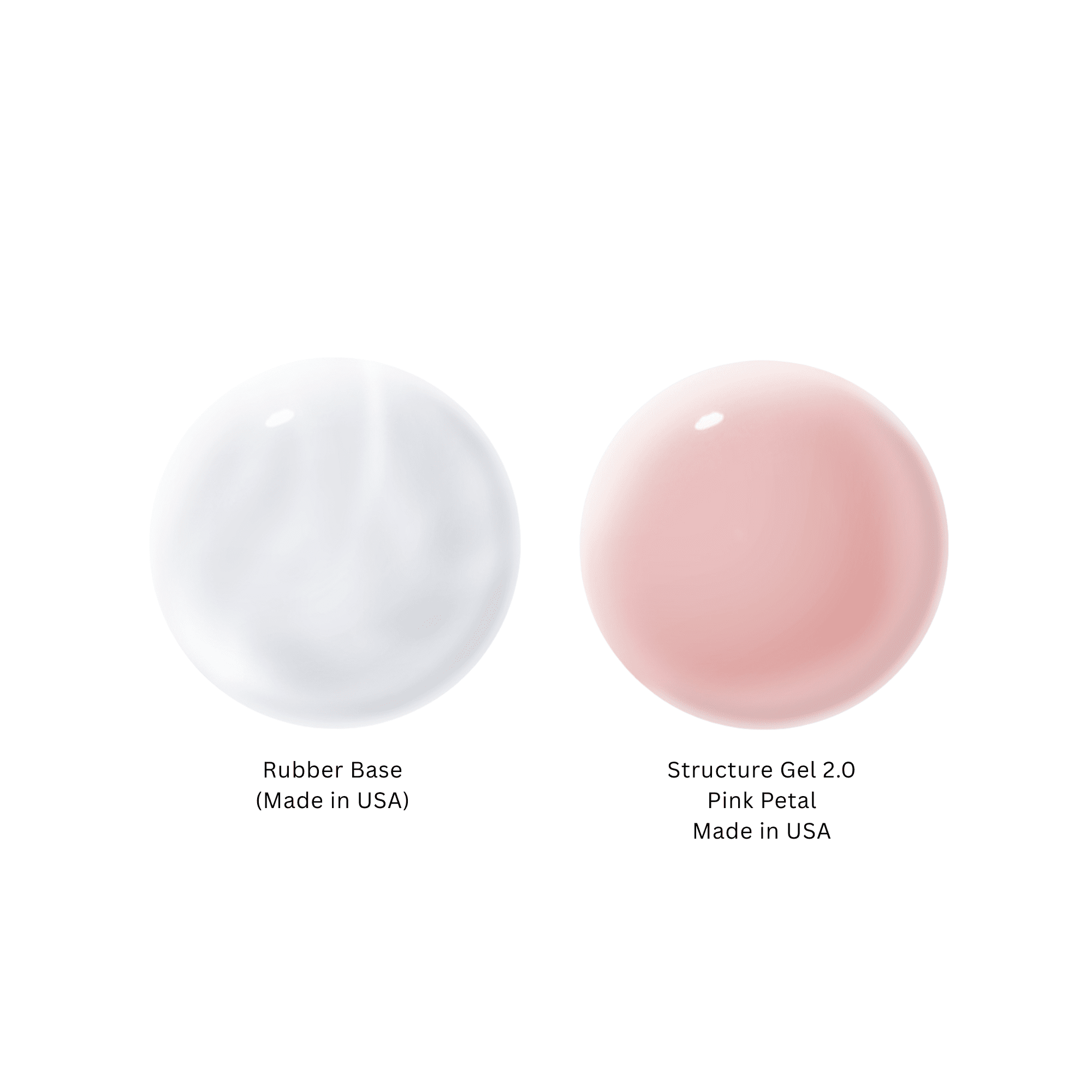
Double Base Coat: Apply a thin "scrub" layer of base coat to fill in the craters, cure, then apply a second slip layer. This creates a smooth foundation. You can also start using a layer of Stellar Bond first and cure for 30 seconds. Follow with a layer of Rubber Base Made in USA.
Structure, Don't Colour: Use a clear or nude Structure Gel to add strength back to the nail. The extra thickness acts as a splint for the weak natural nail.

Conclusion: Your Nails are Jewels, Not Tools
The durability of a gel manicure is a partnership. We provide the high-quality chemistry (Stellar Gel) and the expert application. The client provides the aftercare.
By understanding that picking = thinning, clients can take ownership of their nail health.
Help them heal:
Stock up on Stellar Gel Cuticle Balm for retail. It’s the best insurance policy against the urge to pick.
Disclaimer: This article is for educational purposes. If a client has signs of infection (green spots, pus, extreme heat), do not apply products and refer them to a doctor.