

By Sarah Thompson — Licensed nail technician and founder of Stellar Gel
You mastered your cuticle prep. There is not a speck of dead skin in the nail fold. The growth area is flawless.
But two weeks later, your client texts you a photo. The gel at the tips of her nails is peeling away. It looks like a clam shell opening up—the natural nail is curling down, and the rigid gel is staying straight. Water is getting in the gap, and the temptation to pick at it is overwhelming.
Lifting at the free edge is a completely different beast than cuticle lifting. While cuticle lifting is usually about prep, free edge lifting is usually about physics. (Lifting at the cuticle instead? Read Why Are My Gel Nails Lifting at the Cuticle?)
At Stellar Gel, we know that adhesion is a relationship between two materials: the natural nail (flexible) and the gel (rigid). When those two stop moving together, they separate. Here is the science behind why tips lift and the exact steps to seal the deal.
1. The "Capping" Myth (and Reality)
Capping the free edge was once the standard practice with most nail schools, but with modern gel systems, preventing lifting is less about wrapping product and more about correct prep, structure and finish work.
The Problem: Many techs still do the “capping” method and do it too thick. They leave a bulge of gel at the very tip of the nail.
The Fix:
-
Instead of capping the free edge with every layer, allow your Stellar Base Coat or Slip Layer to gently seal the edge if needed. The bond needs to happen at the foundation.
-
Keep it thin. You want to "paint" the edge, not "ice" it like a cake.
-
File the free edge after your final top coat cure to create a crisp, sealed edge (if you are using a hard gel or strong builder). Finish filing plays a key role in strengthening the free edge. Refining the shape, removing excess bulk, and creating a smooth, balanced edge helps distribute stress evenly and reduces the risk of lifting or chipping.
2. The Separation: Flexible Nail vs. Rigid Gel
This is the most common cause of free edge lifting on natural nails.
Natural nails absorb water. When you take a shower or wash dishes, your natural nail absorbs moisture, swells, and flattens out. When it dries, it curls back up.
The Chemistry: Gel is plastic. It does not swell or shrink with water.
If your natural nail is expanding and contracting underneath a rigid layer of gel that doesn't move, the bond eventually snaps. The natural nail peels away from the underside of the gel.
The Fix:
-
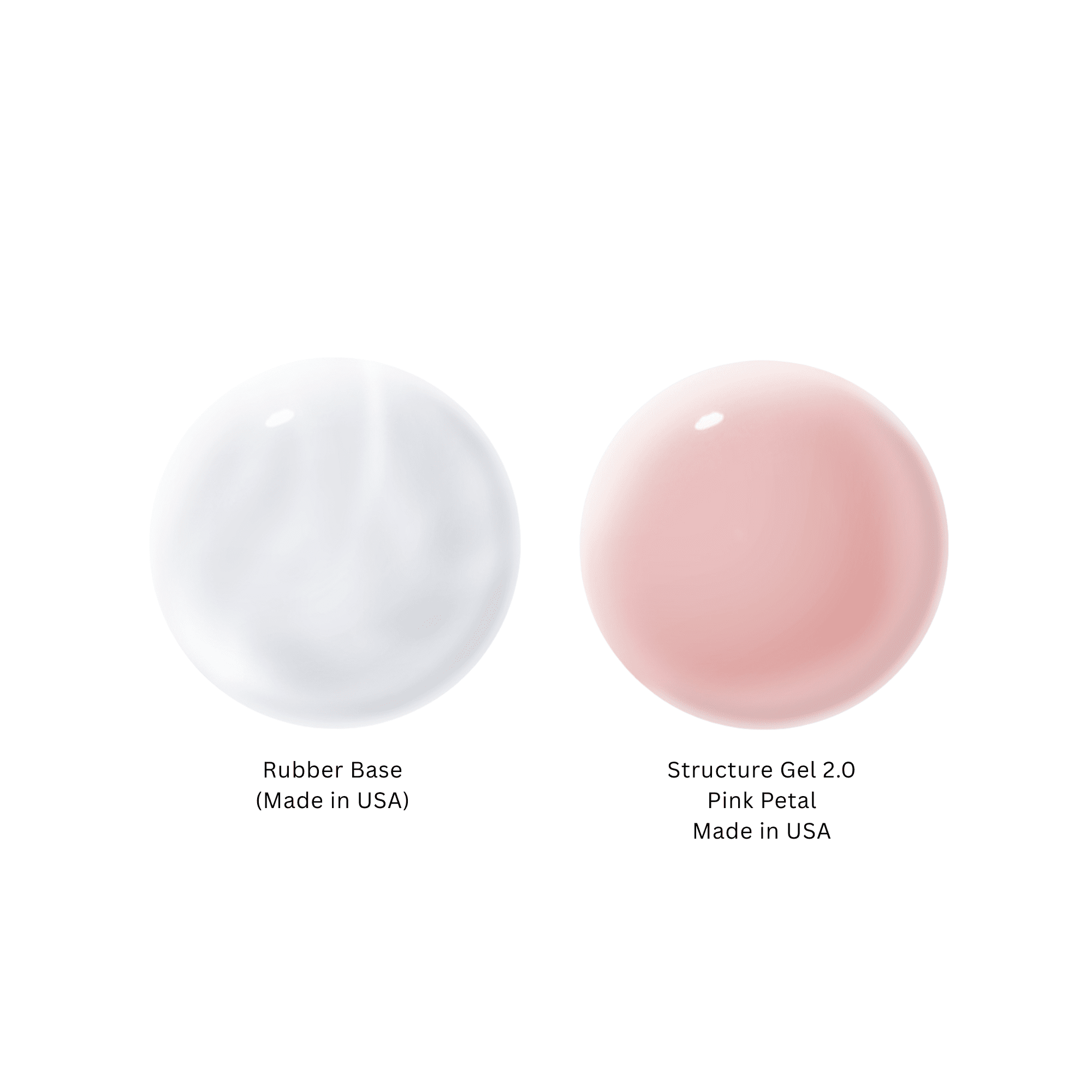
Choose the Right Product: If a client has thin, flexible, "bendy" nails, do NOT put a super-hard, rigid builder gel on them. It will separate. Use a Flexible Base (like our HEMA-free line, Rubber Base, or Structure Gels in a Bottle aka BIAB) that can bend with the natural nail.
Dehydrate Properly: Ensure the free edge is bone dry before application.

3. Over-Filing or Weakening the Natural Nail
More filing does not make better prep. In fact, over-filing is one of the most common ~ and most overlooked ~ causes of nail issues.
The Problem: Aggressive or over-filing during prep or refinement can thin the natural nail. A weakened nail plate cannot properly support a gel coating, causing adhesion failure where the nail bends most. A client who picks their gels off, also contributes to the thinning of their nail plates.
The Fix:
-
Use a 120 grit file (yes this could be an unpopular opinion) but while it may seem counterintuitive, a slightly grittier file can actually be gentler on the natural nail when used correctly. Finer grits like 180 or 220 often require more passes and more pressure. A 120 grit file allows you to break the surface tension of the nail plate more efficiently using fewer strokes. When used gently with controlled pressure, the result is less overall abrasion to the natural nail, not more. Lesser strokes = less trauma to the natural nail.
-
Educate your clients on the importance of why NOT picking off their gel overlays is essential to their nail health.
4. Natural Nail Delamination (Peeling)
Sometimes, the gel is stuck perfectly to the nail... but the nail itself is falling apart.
If you look closely at the lift, do you see a thin layer of white nail still attached to the underside of the peeled gel? That isn't a gel failure. That is a nail failure.
The Chemistry: The adhesion bond between the gel and the top layer of keratin was stronger than the bond between the client's own nail layers. The gel didn't lift; it took the top layer of the nail with it. This is common in clients with damaged, over-filed, or naturally brittle nails.
The Fix:
-
Do Not Buff Aggressively: Over-prepping the free edge weakens the keratin layers (as mentioned above)
-
Shorten the Nails: If the tips are damaged and peeling, you can't build on a crumbling foundation. File the peeling parts off or cut the nail shorter to reach healthy tissue.
-
Educate your client on the importance of cuticle oil/balm: Daily cuticle oiling is the “secret weapon” for preventing gel lifting because it keeps the natural nail hydrated and flexible. It helps ensure the natural nail moves with the gel, rather than against it.
5. Daily Wear, Water Exposure & Environmental Stress
Think about how you use your hands. When you wash dishes, shampoo your hair, or use household cleaners, your fingertips take the brunt of the chemical exposure.
Solvents (like cleaning sprays) and continuous water exposure attack the bond at the free edge first.
The Fix:
-
Educate the Client: "Your nails are jewels, not tools."
-
Gloves: Advise clients to wear gloves when doing dishes or cleaning. It sounds cliché, but it is the single biggest factor in retention.
Make sure your client's hand is positioned correctly in the lamp: When curing, ensure the light is hitting the free edges. Sometimes, if fingers are curled, the tips are shadowed and don't fully cure. Having a mirrored bottom in light should help this but not always 100% if your client isn't holding their fingers properly.

Conclusion: Understanding & Preventing Free-Edge Lifting
Lifting at the free edge is almost always a battle against lifestyle and physics. By choosing a gel with the right flexibility for your client's nail type, capping thinly but effectively, and remembering to finish file, you can stop the separation.
The Strongest Bond:
Pair your technique with Stellar Bond Base 3-Free and/or Stellar Rubber Base and Stellar Shine Top Coat for a seal that resists water, wear, and life.
Disclaimer: This article is for educational purposes. Persistent lifting can also be a sign of underlying nail health issues.