

By Stellar Gel The Intersection of Cosmetic Chemistry and Professional Nail Technology
You bought a new bottle of gel. You applied it thin. You cured it for 60 seconds.
But when you wipe the surface, the colour wipes right off. Or worse, the center is mushy.
You blame the bottle. "This gel is defective!"
But 9 times out of 10, the gel is fine. The problem is that your lamp is speaking a different language than your gel.
Curing isn't just about brightness; it is about Wavelength. Specific chemical ingredients need specific types of UV light to activate. If your lamp doesn't emit the right "flavour" of light, the chemistry simply won't happen.
Today, we are decoding the numbers on the bottom of your lamp box: 365nm and 405nm.
The Science: Lock and Key
To cure gel, UV/LED light must hit a Photoinitiator molecule.
Think of the Photoinitiator as a lock.
Think of the UV/LED Light as a key.
-
The Lock: Different photoinitiators are sensitive to different parts of the UV/LED spectrum. Some trigger at 360nm. Others trigger at 400nm.
-
The Key: Your lamp emits light at specific nanometers (nm).
If you try to open a "365nm Lock" with a "405nm Key," nothing happens. The light shines right through the gel without triggering the reaction.
The Wavelengths: 365nm vs. 405nm
What is the difference?
365nm (UV-A / The "Old School" Wave)
-
This wavelength is deeper in the UV spectrum. It is invisible to the human eye.
-
Role: It is essential for curing many traditional photoinitiators used in UV gels and some builder gels. It provides a deep, thorough cure for certain resin systems.
-
History: Old fluorescent tube lamps (the ones you had to change bulbs in) emitted mostly 365nm.
405nm (Visible Violet / The "New School" Wave)
-
This wavelength is right on the border of visible purple light. This is why LED lamps glow bright purple.
-
Role: It is high-energy and cures very fast. It works great for surface curing and modern LED-specific photoinitiators (like TPO).
The Problem: Mismatched Tech
Here is where techs get into trouble.
Scenario A: You buy an old-school UV gel that relies on 365nm photoinitiators. You put it in a cheap LED lamp that only emits 405nm.
-
Result: It never cures. It stays sticky forever.
Scenario B: You buy a modern "universal" gel. You put it in a lamp that has weak 365nm output.
Result: The surface hardens (thanks to 405nm), but the deep layers remain soft (lack of 365nm). This leads to Under-Curing and allergies.

The Solution: Dual-Wavelength Technology
Modern professional lamps (like the Stellar Gel Professional Shine Anywhere Lamp) use Dual-Chip LEDs.
If you look closely at the bulbs in a high-end lamp, you will see two tiny specks inside each diode.
-
One chip emits 365nm.
-
One chip emits 405nm.
This creates a broad "blanket" of UV/LED energy. No matter what photoinitiator the chemist used in the bottle (TPO, BPO, etc.), the lamp has the right key to unlock it.
Why Stellar Gel Needs Dual Wave:
We use complex formulations to achieve our high-performance wear. Our Made in USA line uses advanced oligomers that require a specific balance of light energy to cross-link properly. Using a generic, single-wave lamp might leave these advanced chains incomplete.
The Wattage Myth
"But my lamp is 90 Watts! It must be strong enough."
Wattage = Power Consumption, not Curing Power.
A 100-Watt incandescent lightbulb is bright, but it emits zero UV. It won't cure gel.
Don't buy based on Watts alone. Buy based on:
-
Wavelength: Does it have 365nm + 405nm?
-
Irradiance: How intense is the light hitting the nail?
-
Bulb Placement: Are there bulbs on the sides for the thumbs?
Conclusion: Check Your Specs
If you are experiencing random curing issues—wrinkling, dullness, or lifting—check your lamp before you blame the gel.
Is it a Dual-Wave lamp? Are the bulbs clean? Is it designed for professional polymer systems?
The Perfect Match:
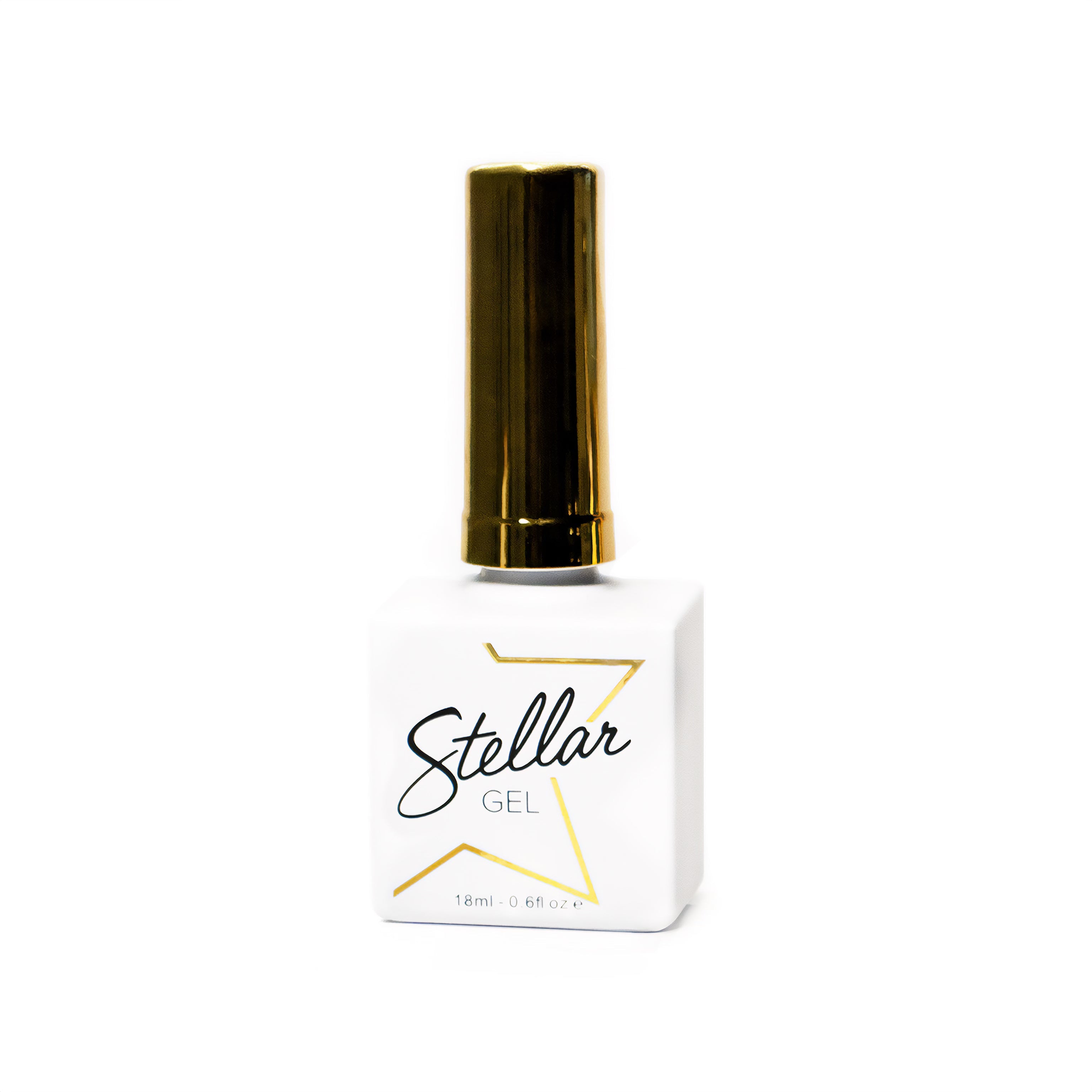
Don't guess. Ensure your chemistry works by pairing Stellar Gel with the Stellar Gel Shine Anywhere Professional UV/LED Lamp ~ calibrated to hit the exact nanometers our photoinitiators need.

Disclaimer: This article is for educational purposes. Always use eye protection. UV light is radiation.
Comments
Love love love the the information emails from Stella! Thank you 🙏