

Lifting is almost never a top coat problem. It is a prep problem, a foundation problem, or a cure problem. Fix these three and retention improves on every set.
- Prep properly. Gently file the nail plate, push back the proximal fold, remove all dead tissue, then cleanse with acetone so no dust or oil is left behind.
- Build the right foundation. Match the system to the nail: Stellar Rubber Base for thin and brittle nails, Structure Gel 2.0 for overlays, Hard Structure Gel for longer extensions.
- Cure with confidence. Thin, even layers, 90 seconds per layer in the Stellar Shine Anywhere UV/LED Lamp. Thick layers cure soft underneath and let go at the edges and cause far more problems down the road.
In this article
- Why do gel nails keep lifting?
- Step 1: How should you prep the nail plate for gel?
- Step 2: How do you build a strong foundation?
- Step 3: How long should you cure each layer?
- FAQ
Why do gel nails keep lifting?
When a set lifts, it is telling you exactly where it failed. Read the pattern:
- Lifting at the cuticle is a prep issue nine times out of ten. Dead tissue was left on the plate, product touched skin or you didn't file close enough to the cuticle area.
- Lifting at the free edge or the sidewalls usually means the system was wrong for that client, or the layer was too thick to cure through.
- Whole-nail lifting or peeling in sheets points to contamination or an under cure or just not the right product for that particular product.
Notice what is not on that list: your colour and your top coat. Those are the last things you apply and the first things techs blame. Great retention is decided in the first ten minutes of the appointment, long before you reach for the top coat.
The rest of this post is the three habits that fix each failure point.
Step 1: How should you prep the nail plate for gel?
Prep is everything. Nail prep for gel is not one step, it is four, and skipping any of them shows up two weeks later.
- Gently file the nail plate. You are removing shine and creating a key for the product to grip, not thinning the nail. Light pressure, a fine grit, and stop the moment the shine is gone. Do NOT over file the same spot once shine is removed.
- Push back the proximal fold. Take it back properly so you can see the true edge of the nail plate. If you cannot see where the plate begins, you cannot prep to it.
- Remove all dead tissue and cuticle. This is the step most often rushed. Any pterygium left on the plate is a layer between your product and the nail, and that layer is what peels away first. If lifting always starts at the cuticle on your sets, this is your culprit.
- Cleanse thoroughly with acetone. Dust, oil, and natural moisture all block adhesion. Wipe the plate until it is completely clean and dry, and do not touch it afterwards with a bare finger. Also make sure your client doe not run her fingers through her hair or touch her skim after cleansing.
A clean foundation is the key to long-lasting results. If you only change one thing after reading this post, spend an extra ninety seconds here.

Step 2: How do you build a strong foundation?
Once the plate is clean, the foundation does most of the work. There is no single best product here, there is only the right system for the nail in front of you.
The most useful thing to understand is that these products stack, they do not compete. A base coat and a structure gel do different jobs, and reaching for the wrong one, or skipping the base entirely, is where a lot of lifting begins.
| If your client needs... | Reach for | Why it holds |
|---|---|---|
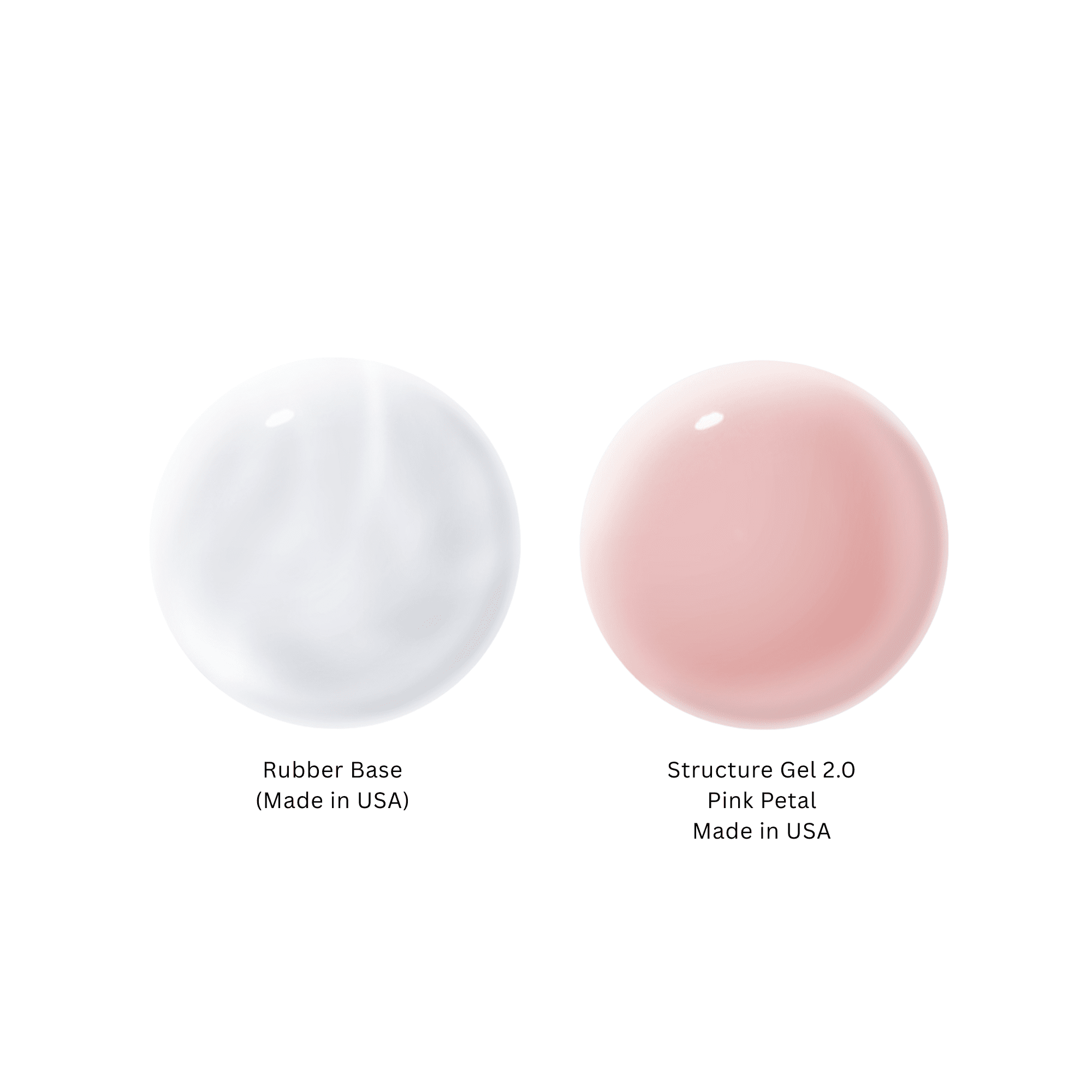
| A base under colour, especially on thin or brittle nails | Stellar Rubber Base | Boosts adhesion and reinforces a weak plate without adding bulk. Engineered for up to 4 weeks of wear. |
| A natural nail overlay, or short-to-medium extensions | Structure Gel 2.0 | Primer and base are built in, and the thinner viscosity self-levels cleanly, so you build structure without flooding the sidewalls. Soak-off. |
| Medium-to-long extensions, or hard-working hands | Hard Structure Gel | Our strongest formula. Does not shrink or yellow, and holds an apex under real pressure. Requires Stellar Base or Bond Base underneath, and is filed off rather than soaked off. |
Two things worth calling out. Hard Structure Gel is not optional about its base: it requires Stellar Base or Bond Base underneath, and skipping that step is a reliable way to make a strong product lift. And while Structure Gel 2.0 has primer and base built in, a layer of Rubber Base or Bond Base first still buys you extra longevity on clients who are hard on their hands.
The mistake to avoid is defaulting to the same product for every client because it works on most of them. The clients it does not work on are the ones rebooking early for repairs.

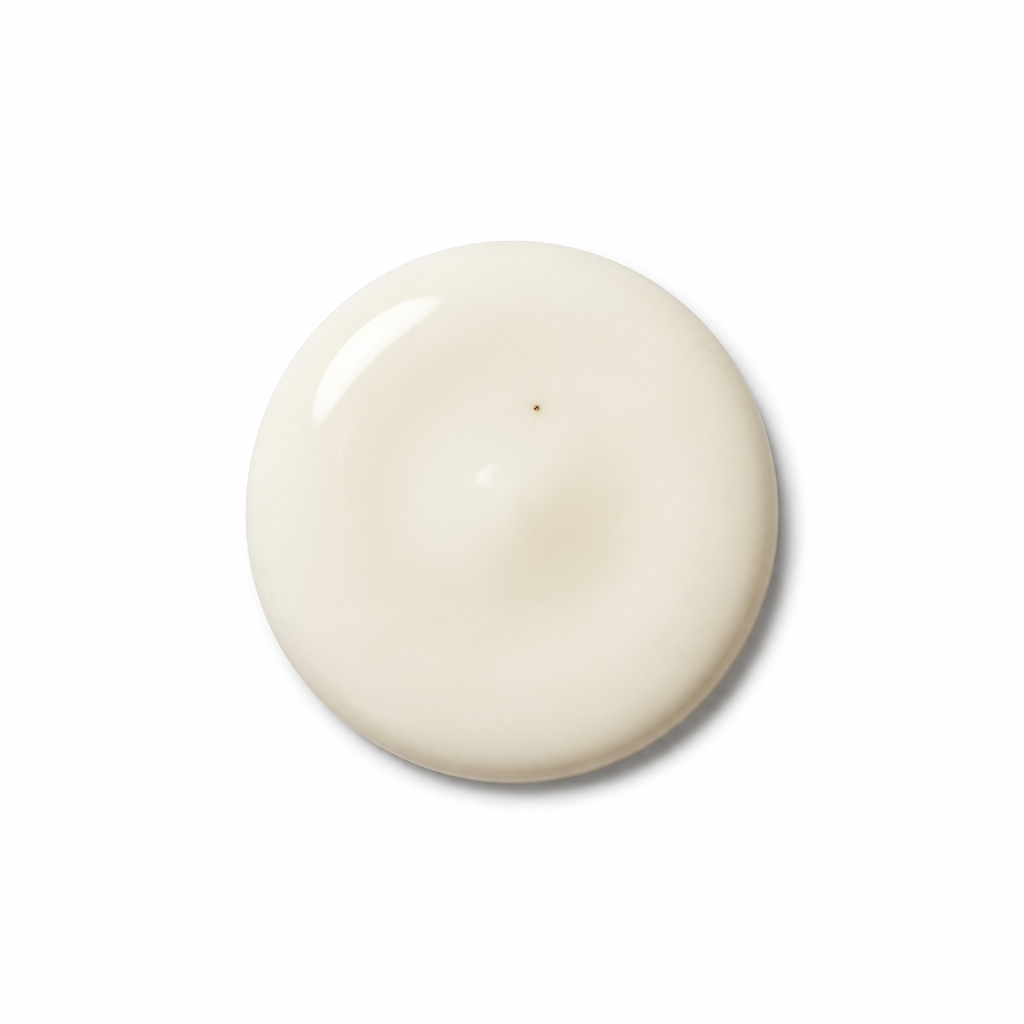
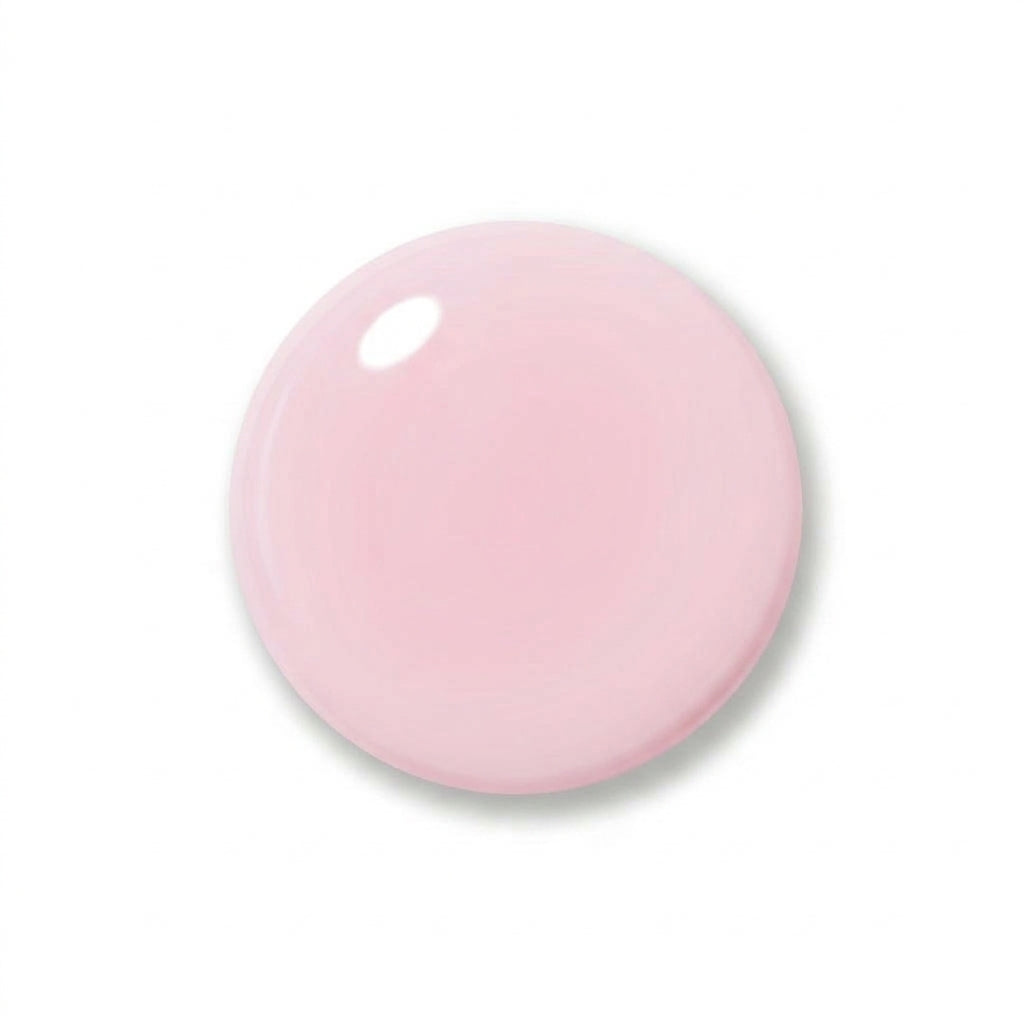
Your first step to a longer-lasting, better-protected manicure. Boosts adhesion, protects against staining, and strengthens the natural nail without added bulk.

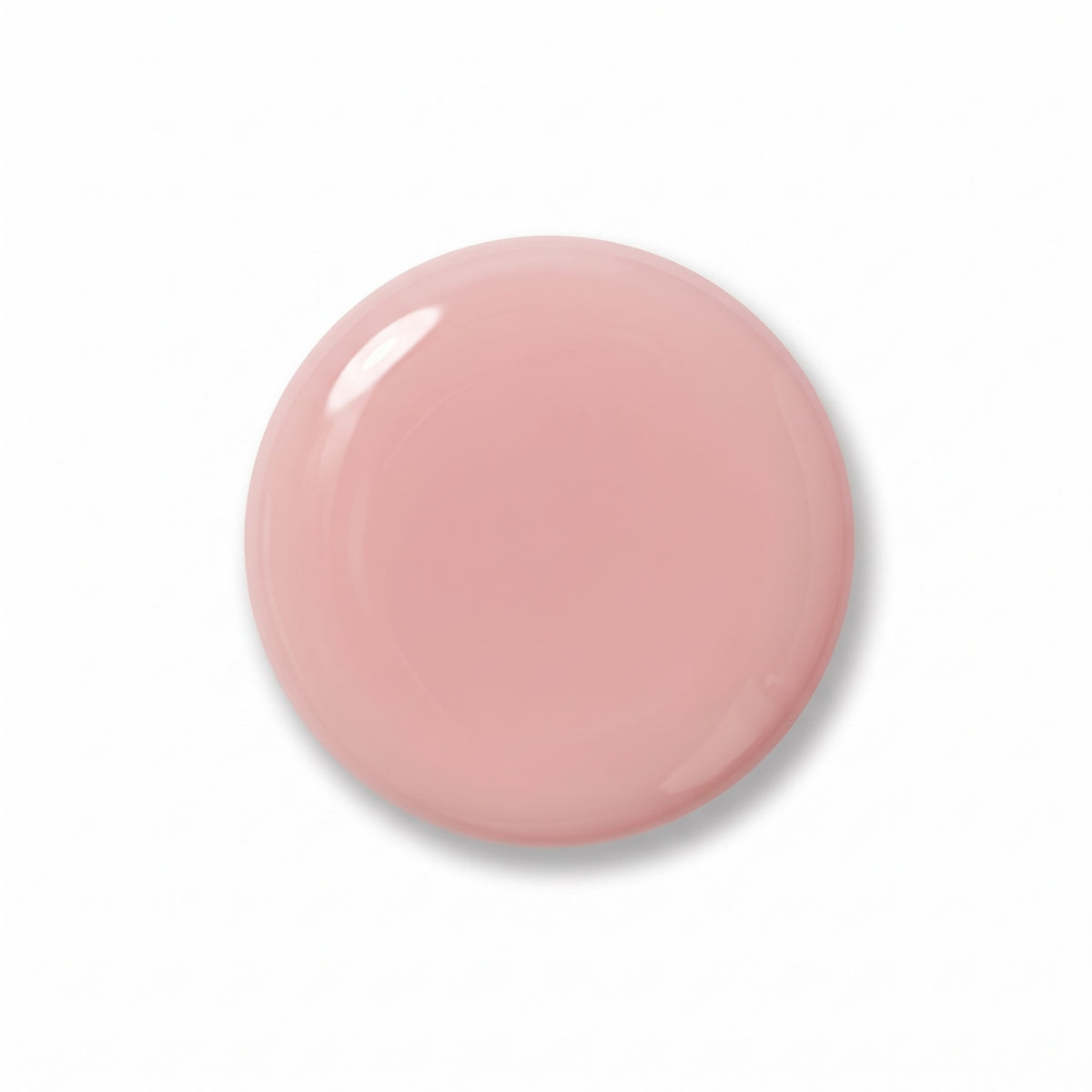
Re-engineered for speed and control, with a no-separation, thinner formula. Primer and base built in, ready to apply straight from the bottle.
Step 3: How long should you cure each layer?
Ninety seconds per layer. That is the cure time across the Stellar system: Rubber Base, Structure Gel 2.0, and Hard Structure Gel (on low heat) all cure for 90 seconds in the Stellar Shine Anywhere UV/LED Lamp. Cure for the full time, every time. Under curing is invisible in the chair and obvious a couple of weeks later.
Two rules carry most of the weight here:
Thin, even layers cure more effectively. A thick layer cures hard on top and stays soft underneath, because the light never fully reaches the bottom. That soft base is what lets go at the edges. Two thin layers beat one thick one every time, even though it feels slower. This is also important because uncured layers can lead to allergies.
Your lamp has to actually deliver. A cure time is only meaningful if the lamp is putting out the light the product was formulated for. Lamps lose output as they age, and a lamp that "still works" can be quietly under curing every set you do. The Stellar Shine Anywhere Lamp runs 54 bulbs at 36W across 365 to 400nm, with 30, 60, and 90-second presets built into the timer. It is cordless, and the light stays at full strength until the battery is completely drained, so a mobile set cures exactly like a salon one.
Also worth checking: are all five fingers actually in the light? Thumbs cured separately, and hands positioned flat, are small habits that quietly protect retention.

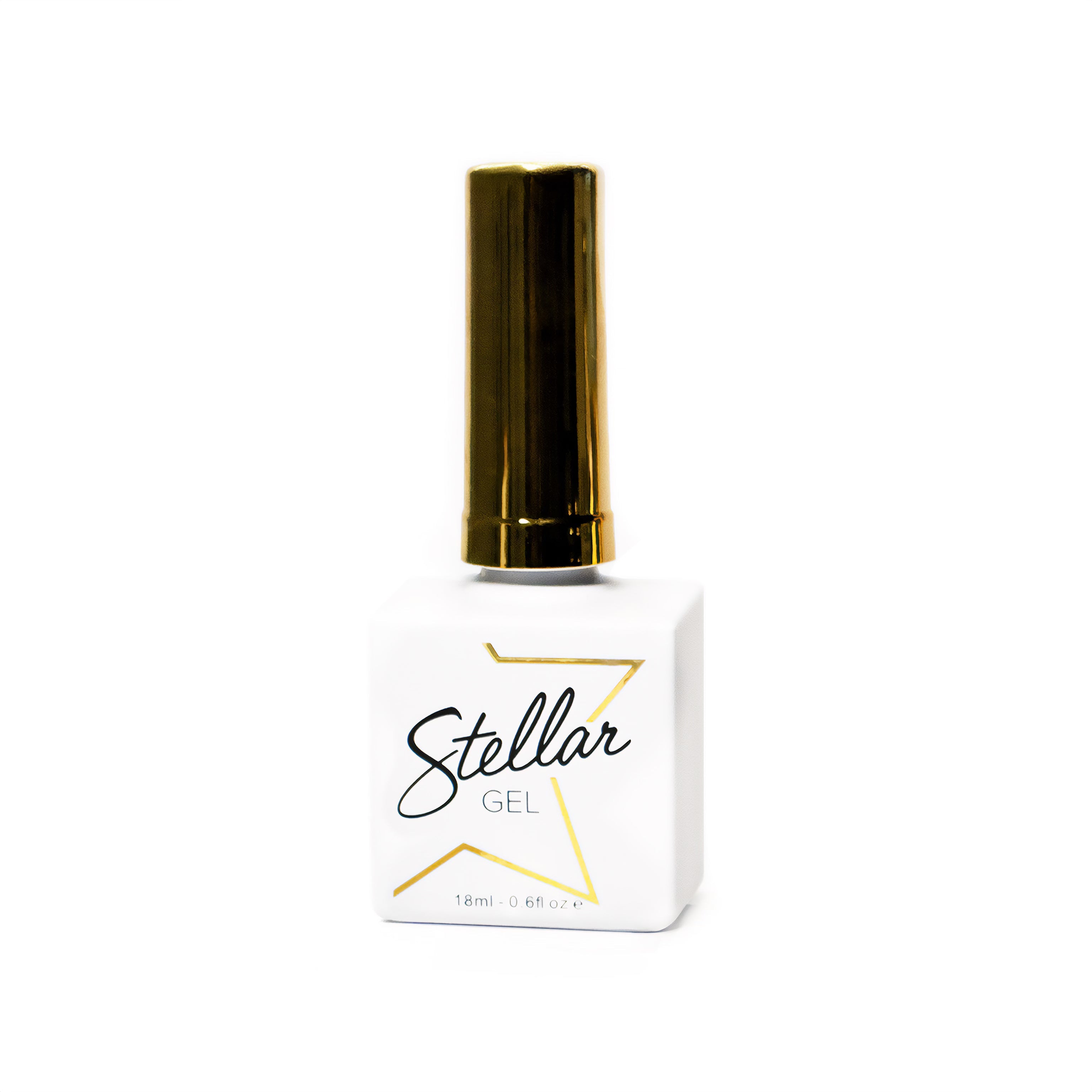
36W, 54 LED bulbs, 365 to 400nm. Cordless with all-day battery, 30/60/90-second timer presets, and an acetone-proof finish. Available in US/Canada, UK, Europe, and AUS/NZ plugs.
Frequently asked questions
Why do my gel nails keep lifting?
Most lifting traces back to one of three causes: dead tissue or oil left on the nail plate during prep, a system that does not suit that client's nail, or layers applied too thick to cure all the way through. Where the lifting starts tells you which one. Cuticle lifting points to prep, free edge and sidewall lifting points to structure, and peeling in sheets points to contamination or an under cure.
How do I stop gel nails from lifting at the cuticle?
Push the proximal fold back properly, remove every trace of dead tissue from the plate, and cleanse with acetone before you apply anything. Then keep your product off the skin: leave a hairline margin at the cuticle and sidewalls. Product touching skin has nothing to bond to, so it lifts and takes the neighbouring product with it.
How long should I cure each layer of gel?
In the Stellar system, 90 seconds per layer. That applies to Stellar Rubber Base, Structure Gel 2.0, and Hard Structure Gel, which cures on low heat. Never cut it short to save a minute. Cure times are formulated for a given light output, so they only hold if your lamp is actually delivering it. If you are applying thicker than usual, do not simply cure for longer, apply thinner layers instead. If, for whatever reason, your client pulls their hand out of the lamp, restart the lamp for a full cure count.
Is hard gel better than soft gel for retention?
Neither is universally better, they suit different clients. Hard Structure Gel is our strongest formula and holds up on medium-to-long extensions and hard-working hands, but it is filed off rather than soaked off. Structure Gel 2.0 is more flexible and moves with a thinner natural nail, and it soaks off cleanly. Retention comes from matching the system to the nail, not from picking the strongest product on the shelf.
Do I still need a base coat under a structure gel?
It depends which one. Our regular Structure Gel 2.0 has primer and base built in, so you can apply it straight to a prepped nail, though a layer of Rubber Base first adds extra longevity. Our 3Free Structure 2.0 does require Bond Base or Rubber Base first. Hard Structure Gel is different: it requires Stellar Base or Bond Base underneath. Skipping that step is one of the most common causes of an otherwise strong set lifting.
Does filing the nail plate improve retention?
Lightly, yes. Removing the shine gives the product a key to grip. But over-filing is counterproductive: it thins and weakens the plate, which then flexes more under the product and causes the lifting you were trying to prevent. Use a fine grit, light pressure, and stop as soon as the shine is gone.
Can a top coat fix lifting?
No. Top coat seals and adds shine, it does not create adhesion. If a set is lifting, the problem happened during prep, base, or cure, and no top coat will rescue it. This is why techs who chase retention through their finishing products rarely solve it.
Build your best sets yet
The right technique paired with professional-quality products makes all the difference. Shop the essentials trusted by nail techs for strong, long-lasting retention.
Shop retention essentials →30-day returns on every order.