

By Stellar Gel The Intersection of Cosmetic Chemistry and Professional Nail Technology
It starts with a subtle itch around the cuticle. Maybe a little redness along the sidewalls a few hours after your appointment. You ignore it, thinking it’s just dry skin. But after the next appointment, the itching is unbearable. Small water blisters appear. The skin peels.
If this sounds familiar, you aren’t alone.
Builder In A Bottle, widely known by the acronym BIAB, revolutionized the nail industry. It gave clients the strength of acrylic with the ease of gel application. It has become the "Kleenex" of the nail world ~ a term used to describe almost any soak-off builder gel in a bottle. But it also gave nail techs and clients something else: Acrylate Allergies. (Note: The GelBottle Inc has claimed the invention of “BIAB” as their own, and has attempted to trademark it. The trademark has been rejected in all jurisdictions except for the UK, where it has never been challenged.)
But with the massive popularity of this application method has come a rising wave of a less desirable trend: Acrylate Allergies.
As a professional, seeing a client react to a product you love is heartbreaking. But an allergy doesn't have to mean the end of their nail journey. It just means it's time to change the chemistry.
In this article, we’re breaking down exactly why highly pigmented builder gels can trigger allergies, the specific ingredients to watch out for, and the Stellar Gel 3-Free Structure Gels (HEMA, TPO & HPMA-Free alternative that can save your client’s nails.
The "Builder Boom" and the Allergy Surge
Why are we seeing more allergies now than we did ten years ago? The answer lies in the formulation required to make a "bottled builder" work.
To make a gel thick enough to build an apex, but thin enough to flow from a polish bottle brush, chemists often rely on specific monomers to control viscosity and adhesion. While many brands make safe products, the sheer volume of strong, highly adhesive builder gels on the market has led to an increase in Allergic Contact Dermatitis.
The very ingredients that make these gels so popular ~ their rock-hard strength and incredible adhesion ~ are often the same ones that cause reactions in sensitive individuals.
The Culprits: HEMA and IboA
Most "strong" builder gels rely on small-molecule monomers to penetrate the nail plate for adhesion.
-
HEMA (2-Hydroxyethyl Methacrylate): The king of adhesion. It’s a tiny molecule that bonds aggressively to keratin. However, because it’s so small, it easily penetrates the skin barrier, reaching the bloodstream and triggering an immune response.
-
Isobornyl Acrylate (IboA): Often used as a hardener. It is another known sensitizer that can cause reactions even in products labeled "HEMA-Free" if the manufacturer isn't careful.
When you combine higher concentrations of these monomers with the application required for structure gel, you create a perfect storm for sensitization.
Another factor driving the surge is DIY users applying these products at home without any professional training. Applying products too thick, not curing for proper times or using incompatible lamps can leave unpolymerised monomers on the skin or nail. These uncured chemicals are much more likely to trigger irritation.

Is It an Allergy? Spotting the Symptoms
Before you switch products, you need to confirm if it’s truly an allergy or just irritation from improper prep.
Common Signs of Gel Allergy:
-
The "Post-Mani Itch": Intense itching around the eponychium (cuticle) or under the free edge 4–24 hours after application.
-
Redness and Swelling: Puffy, angry skin around the nail fold.
-
Dyshidrotic Eczema: Tiny, fluid-filled blisters (vesicles) along the fingers or palms.
-
Onycholysis: The nail plate lifting away from the nail bed (often looks like a white or yellow pocket).
The Hard Truth: Once a client is allergic to a specific ingredient (like HEMA), they are allergic for life. You cannot "cure" it. You can only avoid the trigger.
The Solution: Chemistry, Not Compromise
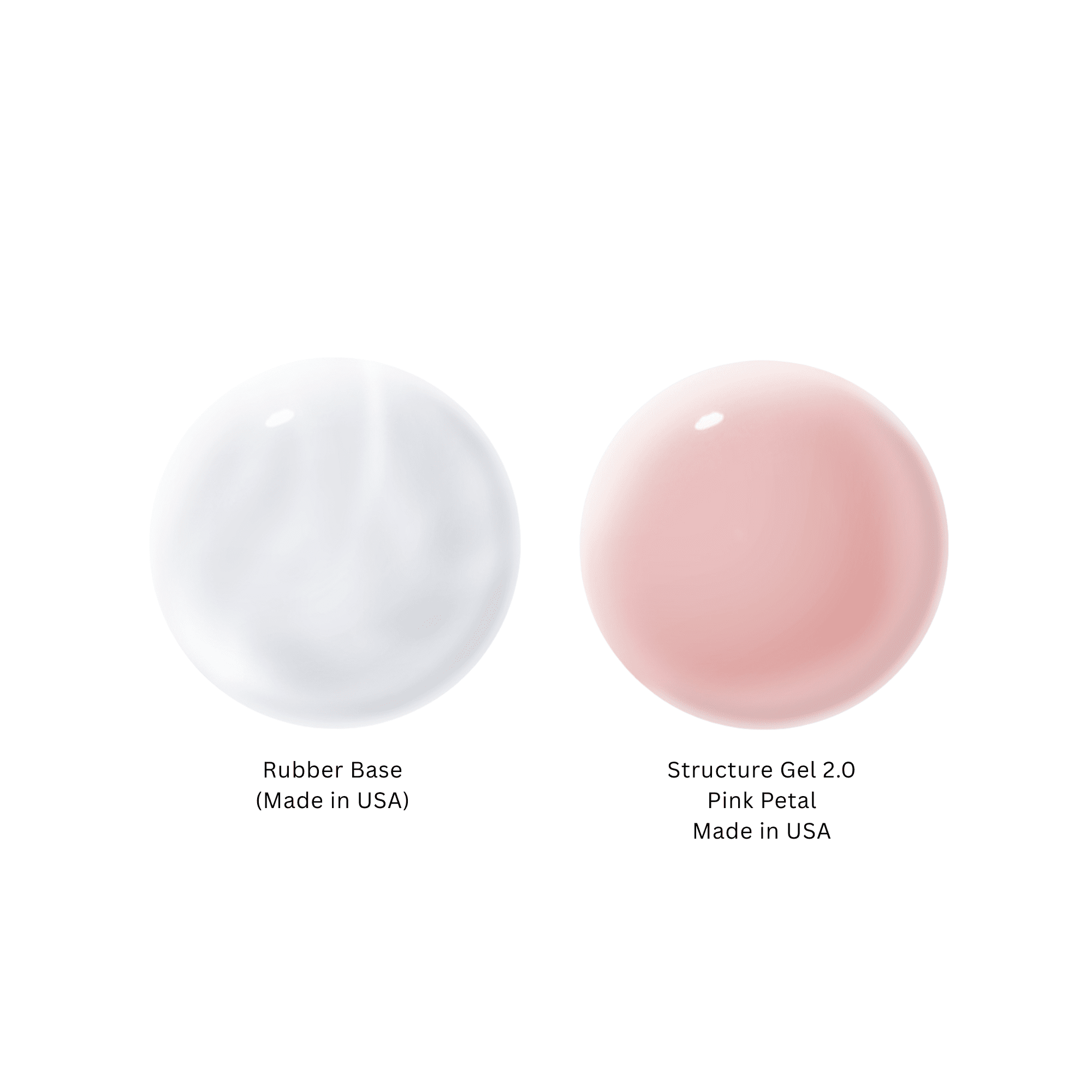
If your client loves the look and strength of a builder gel overlay but can't handle the HEMA found in many standard BIAB-style products, you don't have to send them back to regular polish. You need a HEMA-Free Structure Gel that is actually engineered for sensitive clients.
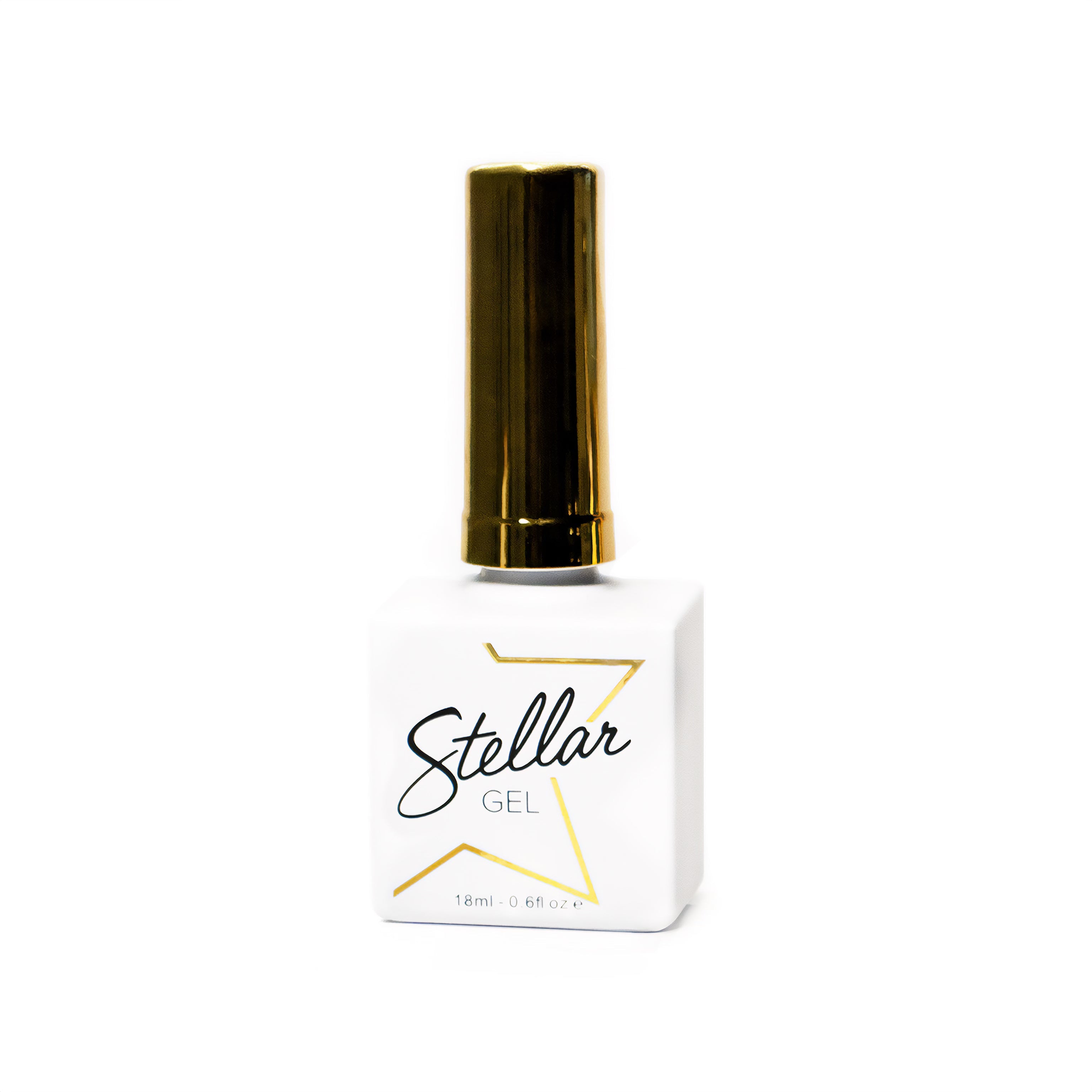
Enter Stellar Gel HEMA-Free Builder.
We didn't just remove the HEMA; we redesigned the polymer backbone. Instead of relying on small, aggressive monomers for adhesion, we use:
-
Larger Oligomers: We use advanced Urethane Acrylates (Bis-HEMA) which are chemically too large to penetrate the skin barrier. They sit on top of the nail, providing strength without the risk of absorption.
-
Advanced Adhesion Resins: We utilize bonding technology that grips the nail plate surface without needing to "soak in" aggressively.
Comparison: Standard Builder vs. Stellar Gel HEMA-Free
|
Feature |
Standard "BIAB-Style" Gels |
Stellar Gel HEMA-Free |
|
Primary Monomer |
High HEMA / IboA |
HPMA / Urethane Acrylates |
|
Molecule Size |
Small (Penetrates Skin) |
Large (Does Not Penetrate) |
|
Heat Spike |
High (Fast Reaction) |
Low/None (Controlled Cure) |
|
Flexibility |
Strong/Flexible |
Tough but Flexible |
|
Risk Profile |
Moderate/High |
Minimal |

How to Switch Your Client (The "Detox" Protocol)
If a client is reacting to their current builder gel, do not just apply a new product immediately over the old one. Follow this protocol to transition them safely to Stellar Gel.
Step 1: The Removal
You must remove 100% of the old product.
-
Do not soak off if their fingers are open or blistered (acetone will burn).
-
Gently e-file off the bulk product down to a very thin layer, then carefully hand-file the rest.
-
Tip: If the skin is broken or weeping, do not apply any product. Send the client home with cuticle oil and advise them to see a dermatologist. Wait for the skin to heal completely (2–4 weeks) before trying a new system.
Step 2: The Patch Test
Once the skin is healed, do not do a full set.
-
Apply Stellar Gel 3-Free Structure Gel (Made in USA) to one nail only.
-
Cure fully.
-
Wait 24–48 hours.
-
If there is no itching or redness, proceed with a full set.
Step 3: Precision Application
Even HEMA-Free products can cause issues if uncured gel touches the skin.
-
Leave a visible margin (hairline gap) around the cuticle and sidewalls.
-
Flash cure immediately after application to "freeze" the product in place so it doesn't run into the skin. Our Mini Flash Lamp is perfect for this as it should be performed after gel is applied to each nail.
-
When doing a full cure, use the Stellar Gel Shine Anywhere Lamp in Low Heat Mode (90s) to ensure a gentle, full cure.
"But Will It Last?" (The Retention Question)
The biggest fear techs have about HEMA-Free products is lifting. If it doesn't have the "aggressive" ingredients, will it pop off?
Not if you prep correctly.
Because HEMA-Free gels rely on surface bonding rather than deep penetration, your mechanical prep must be flawless.
-
Remove the Cuticle: Any dead skin left on the nail plate will cause lifting instantly.
-
Surface Texture: Gently file the shine off the natural nail to cause a rough surface to give the large molecules something to "grab" onto.
-
Primer is Key: Use the Stellar Gel 3-Free Bond (Made in USA - HEMA-Free Primer). It acts as double-sided tape, creating a bridge between the natural keratin and the large gel molecules.
With proper prep, our HEMA-Free Structure Gel offers 3–4 weeks of wear, comparable to any leading brand on the market.

Conclusion: Don't Lose the Client, Change the Bottle
The rise of allergies is a wake-up call for the industry. It’s a sign that we need to be more conscious of the chemicals we use every day.
If you have clients complaining of "sensitive nails" or itching, do not ignore it. They are likely developing an allergy to their current builder gel. By switching them to Stellar Gel Made in USA Structure Gels (3-Free: HEMA, TPO, & HPMA), you position yourself as a knowledgeable, safety-first professional. You solve their pain point, save their natural nails, and keep a loyal client for life.
Ready to make the switch?
Shop our collection of HEMA-Free and Made in USA builder gels today. Your clients' skin will thank you.
Disclaimer: Stellar Gel is not a medical entity. If a client is experiencing severe allergic reactions, always refer them to a medical professional. All product names and brands mentioned are property of their respective owners.